Choose your own story – at 80
Science Victoria Edition




TRACY COMANS
Director, National Ageing Research Institute
Close your eyes and picture an 80-year-old. What comes to mind?
Now imagine yourself at that age. What are you doing? How are you living?
Chances are, those two images are very different. The first is shaped by stereotype: frailty, illness, dependence. The second might be something closer to aspiration: independence, purpose, enjoyment.
The gap between these two images is where the modern science of ageing is starting to make a real difference.
For much of the 20th century, ageing was seen as inevitable decline. My parents’ generation – sometimes known as the Silent Generation – largely accepted this. You worked, you retired, your health deteriorated – perhaps because of genetics, perhaps by chance – and that was that. There was little sense that the trajectory could be changed.
But one of the most significant scientific advances of this century has been to reframe ageing. We have now learned that many conditions long considered “normal ageing” are not inevitable. Frailty, dementia, loss of muscle mass, osteoporosis — these are not simply the price of getting older. They can, in many cases, be delayed, reduced, or prevented altogether.
This shift of perspective matters, because Australians are living longer than ever. But at the moment we are not necessarily living healthier for longer. Many people now spend a decade or more in poor health at the end of their lives.
So, the real question is not: How long will I live? It’s: How well will I live?
The rise of “biohacking”
You may have heard the term “biohacking”. At its simplest, it means trying to improve your body and mind using science — often with the goal of extending lifespan or health.
Some of it is sensible. Some of it is promising. And some of it is, frankly, nonsense – and dangerous.
Let’s break it down.
1. The sensible: Lifestyle still wins
If there is one message to take away from decades of research, it’s this: The fundamentals matter most.
Lifestyle. Lifestyle. Lifestyle.
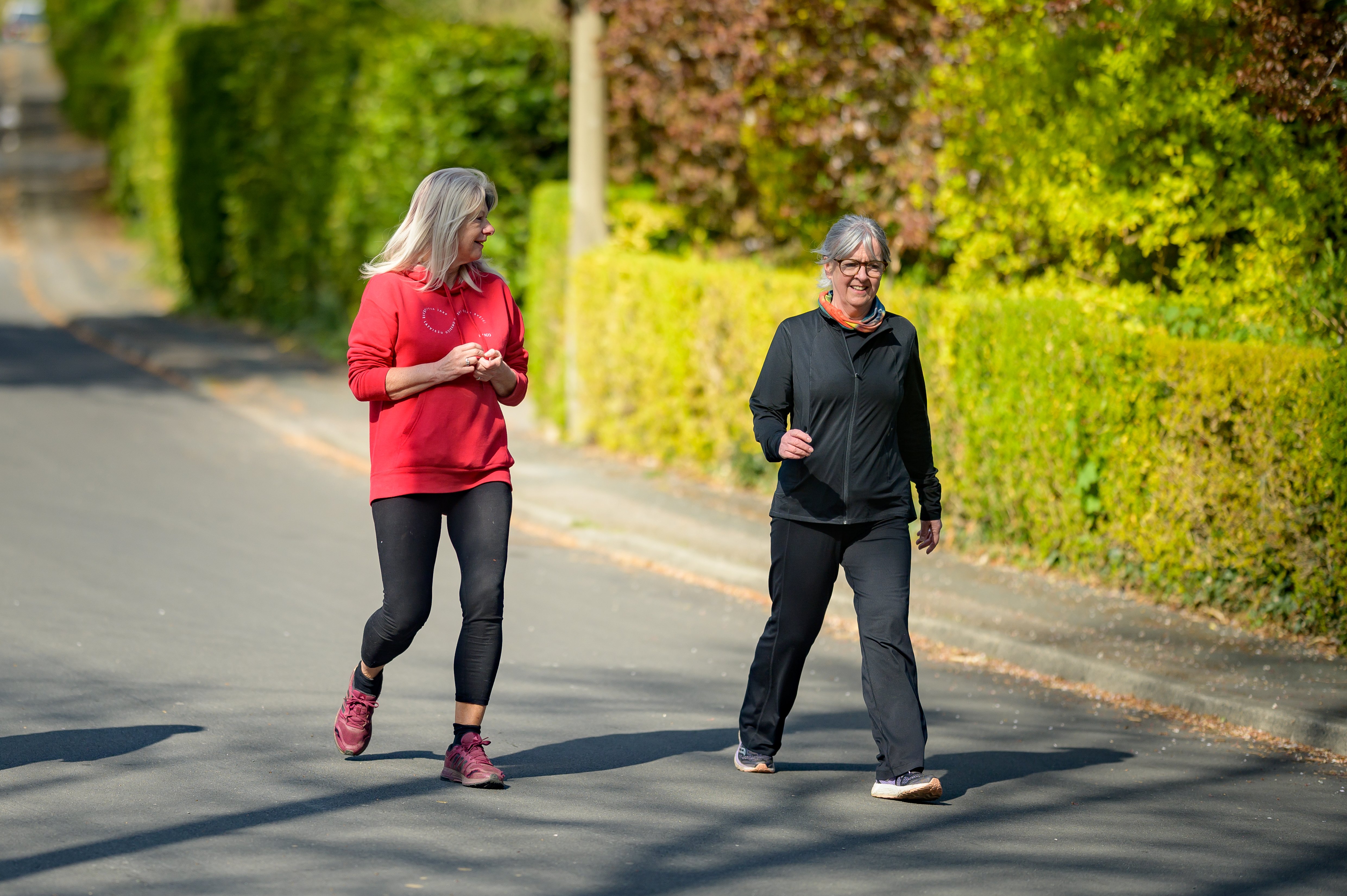
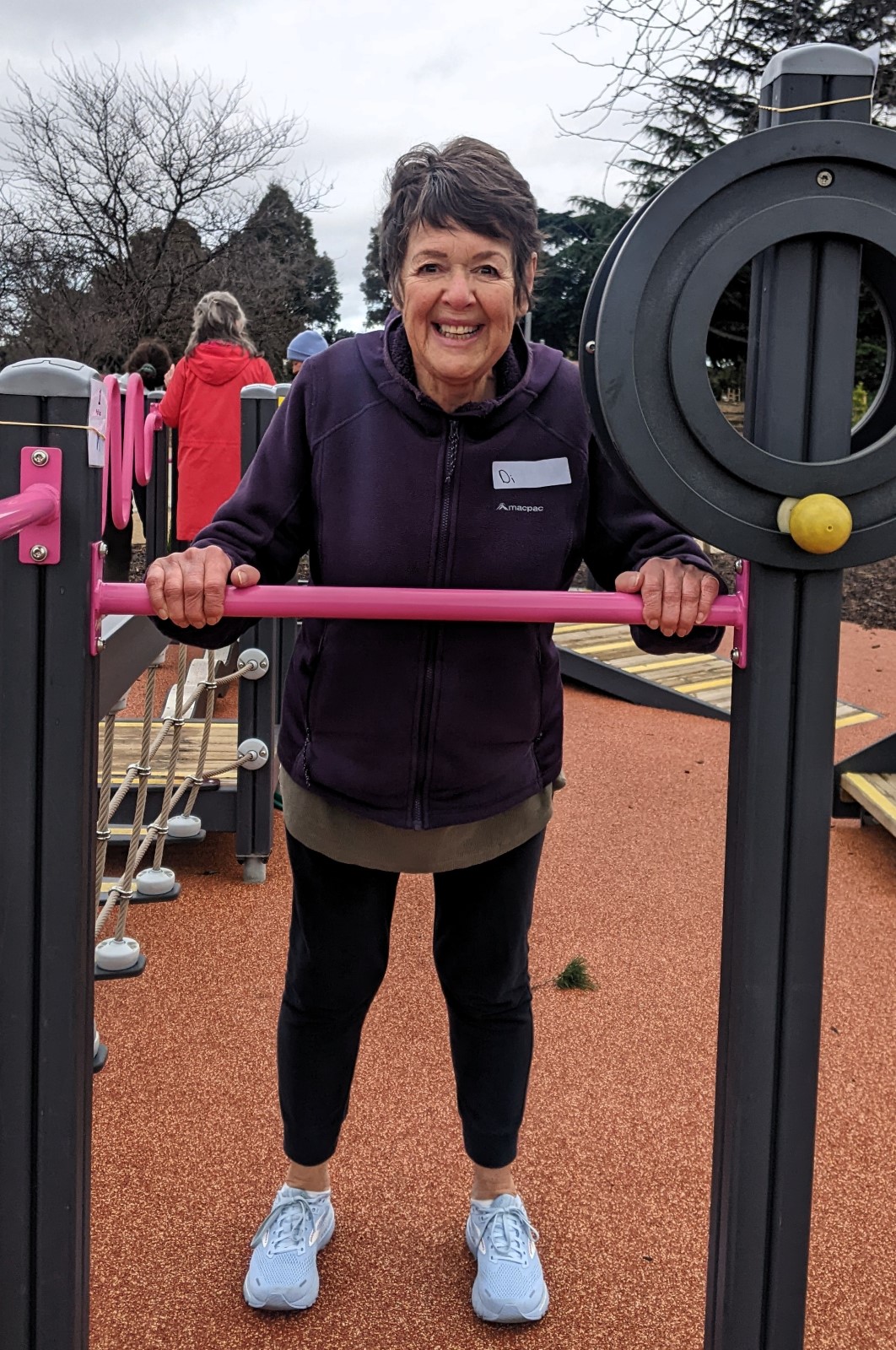
It’s worth saying three times, because it underpins almost everything we know about healthy ageing. The vast majority of proven strategies come back to the same foundations: physical activity, diet, sleep, and social connection.
Physical activity is one of the strongest predictors of healthy ageing and mortality [1]. Strength training, in particular, helps preserve muscle mass and function and bone health – something that becomes critical as we get older [2,3]. Without it, everyday life gradually becomes harder.
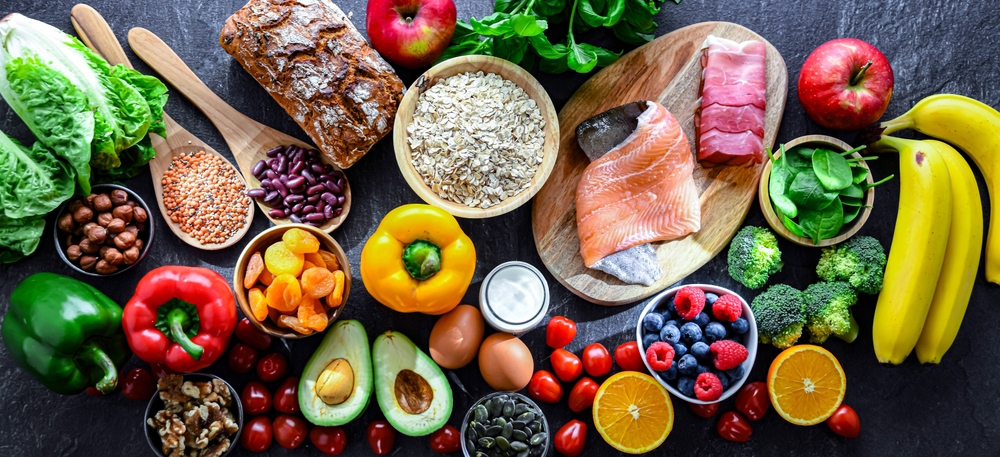
Diet matters too, but not in the complicated ways often advertised. Dietary patterns, rather than one specific diet, are important. The evidence supports relatively simple principles: higher consumption of vegetables, fruits, legumes, nuts, whole grains, unsaturated vegetable oils, fish, and lean meat or poultry; and relatively low consumption of red and processed meat, and refined carbohydrates or sweets [4].
Sleep is often overlooked, but poor sleep is linked to a wide range of long-term health risks – including early death. Both short and long sleep patterns seem to be harmful [5]. Even small improvements in sleep habits can have significant impacts over time.
And then there is social connection. Humans are social beings, and isolation is associated with increased risk of illness and early death. Ninety studies involving 2,205,199 individuals found links to cancer mortality and cardiovascular disease mortality and, in fact, mortality from all causes [6]. Maintaining relationships and community is not just pleasant – it is protective.
None of this guarantees a long or healthy life. Biology and chance still play a role. But ignoring these fundamentals almost guarantees a worse outcome.
2. The emerging: interesting, but uncertain
Beyond lifestyle, there is growing interest in new ways to influence ageing itself.
Ageing is no longer viewed as simple, uniform decline, but as a complex interplay of processes including inflammation, cellular ageing or senescence, the internal biochemical workings of the body or metabolic regulation, and immune function. This has led some researchers to ask a bold question: could ageing itself be modified – or even treated?
Some researchers are exploring whether ageing could be treated as a biological process – even a disease – that might one day be slowed or modified. Others investigate supplements, peptides, and metabolic interventions.
This is an exciting area of science. But it is important to recognise its limits.
Much of this work is still early-stage. For many of the ideas that sound promising, there is limited or inconsistent evidence in humans. And while some high profile scientists and individuals experiment on themselves, that does not make these approaches safe or effective.
There are a few exceptions.
Creatine monohydrate has been well studied. When combined with resistance training, it has been shown to improve muscle strength and physical function, particularly in older adults [7]. But even here, the benefit comes from enhancing exercise – not replacing it.
A good example of this emerging space is the new class of medications originally developed for diabetes which have shown impressive effects on weight loss. These drugs, such as GLP-1 receptor agonists and related compounds including semaglutide and tirzepatide, are often known by their brand names like Wegovy or Mounjaro. They are now being studied for their impact on a range of other conditions including cardiovascular disease and neurodegenerative disease [8].
The early results are promising and – as with the prevention of type 2 diabetes and obesity – can be truly transformative [9]. But they are still relatively new therapies. We do not yet have decades of data on their long-term effects, and questions remain about safety, sustainability, and who benefits most.
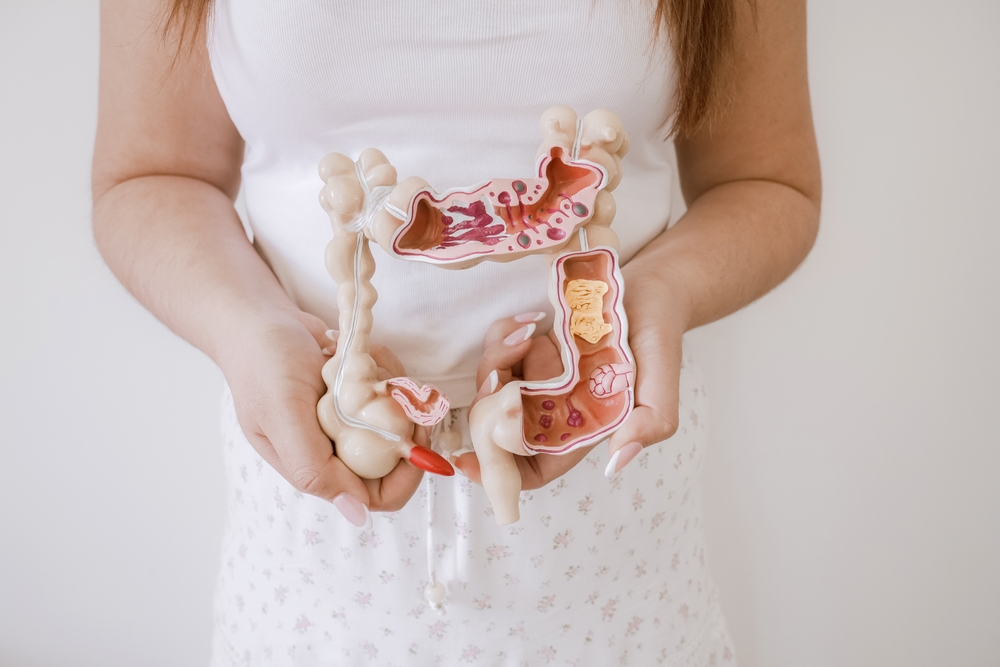
The role and importance of the trillions of tiny creatures that call our body home—the microbiome – is an area of intense current interest and has been associated with many different diseases including obesity, cardiovascular disease, frailty, and cognitive decline [10, 11], (see What’s in your gut can shape how you age, page 22). While this field is still evolving, we know that diet remains one of the strongest and most consistent ways to shape the microbiome.
The broader lesson, however, is simple. Without the basics of good food and exercise in place, these newer approaches are unlikely to help.
3. The wacky: Hype and false promises
At the far end of the spectrum are claims that ageing can be “reversed” or indefinitely postponed.
From gene hacking to unregulated peptides, these ideas are often expensive, poorly tested, and sometimes dangerous. They are also heavily marketed, often appealing to fear or insecurity.
Some of the more extreme examples are no longer theoretical. Companies are already offering experimental gene therapies including attempts to modify genes linked to muscle growth, for instance, to increase the production of follistatin, a protein that can block signals that normally limit muscle growth. In some cases, people travel overseas to places with little or no regulatory oversight or participate in loosely controlled “trials” to access these interventions, often paying substantial amounts of money for treatments that have not yet been proven safe or effective [12].
Far more widespread and potentially more harmful, is the boom in unregulated peptide therapies. Sold online and promoted across social media, these compounds are often marketed as shortcuts to muscle gain, fat loss, or “anti-ageing”, despite limited evidence and uncertain safety profiles. Recent experience of black market peptides in Australia has highlighted issues with heart failure and permanent loss of muscle function leading to regulatory warnings [13].
Many of these approaches promise something deeply appealing — better health without effort, even control over ageing itself.
But the reality is less exciting and more consistent: sustainable health comes from sustained behaviour.
The long view
When we are young, it is easy to think ageing is distant, or irrelevant. Many people assume they will not live that long, or that future health is too uncertain to be worth planning for.
One of the more confronting realities is this: While healthy habits do not guarantee a long life, absence of them makes poor health in later life much more likely. Modern medicine is very good at keeping people alive — often for many years — but not always in good health. That means the risk is of dying earlier may be swapped for living longer with chronic disease, reduced mobility, and loss of independence.
When people are younger, they often say they do not mind taking that risk. But perspectives change. As health declines, those years matter much more than we expect.
The habits you build now — good or bad — do not just matter in the moment. They accumulate over decades, shaping not only how long you live, but how you experience those years.
You cannot control everything about your future health. But you can influence it far more than previous generations ever could.
So, it’s worth asking again:
What kind of 80-year-old do you want to be?
Want to stay up to date and get articles like this and the latest Science Victoria digital magazine delivered straight to your inbox?
Subscribe for free now at subscribe.rsv.org.au
References
1. Blond, K. et al. (2020), Association of high amounts of physical activity with mortality risk: a systematic review and meta-analysis. British Journal of Sports Medicine 54 (20). doi:10.1136/bjsports-2018-100393
2. Shen, Y et al. (2023), Exercise for sarcopenia in older people: A systematic review and network meta-analysis. Journal of Cachexia, Sarcopenia and Muscle 14 (3):1199–211. doi:10.1002/jcsm.13225
3. Hoffmann, I. et al. (2023), Exercise and the prevention of major osteoporotic fractures in adults: a systematic review and meta-analysis with special emphasis on intensity progression and study duration. Osteoporosis International 34 (1):15–28. doi:10.1007/s00198-022-06592-8
4. English, L.K. et al. (2021), Evaluation of dietary patterns and all-cause mortality: A systematic review. JAMA: Network Open 4 (8): e2122277. doi:10.1001/jamanetworkopen.2021.22277
5. Cappuccio, F.P. et al. (2010), Sleep duration and all-cause mortality: a systematic review and meta-analysis of prospective studies. Sleep 33 (5): 585-592. doi:10.1093/sleep/33.5.585
6. Wang F. et al. (2023), A systematic review and meta-analysis of 90 cohort studies of social isolation, loneliness and mortality. Nature Human Behaviour 7 (8): 1307–19. doi:10.1038/s41562-023-01617-6
7. Liu, S. et al. (2025), The impact of creatine supplementation associated with resistance training on muscular strength and lean tissue mass in the aged: a systematic review and meta-analysis. European Review Aging and Physical Activity 22 (1):26. doi:10.1186/s11556-025-00392-9
8. Moiz, A. et al. (2025), The expanding role of GLP-1 receptor agonists: a narrative review of current evidence and future directions. eClinicalMedicine 86. doi:10.1016/j.eclinm.2025.103363
9. Tchang, B.G. et al. (2026), Tirzepatide heralds the hope of chronic disease eradication. Journal of Clinical Endocrinology & Metabolism 111 (5): e1457–8. doi:10.1210/clinem/dgaf444
10.Mariño, E. (2016), The gut microbiota and immune-regulation: the fate of health and disease. Clinical & Translation Immunology 5 (11): e107. doi:10.1038/cti.2016.61
11. Zhang, R. et al. (2025) The gut microbiome, immune modulation, and cognitive decline: insights on the gut-brain axis. Frontiers of Immunology 16. doi:10.3389/fimmu.2025.1529958
12. Hamzelou, J. (2025), This company is developing gene therapies for muscle growth, erectile dysfunction, and “radical longevity”. MIT Technology Review https://www.technologyreview.com/2025/12/22/1130288/gene-therapies-muscle-growth-erectile-dysfunction-radical-longevity/
13. Taylor A. (2025), Peptides: performance-boosting, anti-ageing drugs or dangerous snake oil? The Conversation https://theconversation.com/peptides-performance-boosting-anti-ageing-drugs-or-dangerous-snake-oil-259531 doi:10.64628/AB.cagg3nfv6
14. Banner image:
Other articles of interest




Discover how you can join the society
Join The Royal Society of Victoria. From expert panels to unique events, we're your go-to for scientific engagement. Let's create something amazing.