What's in your gut shapes how you age
Science Victoria Edition





Research Fellow, National Ageing Research Institute, Victoria
In recent years, the idea that “you are what you eat” has taken on a deeper scientific significance.
The human body is home to vast communities of microscopic organisms—bacteria, viruses, fungi, and other microbes—living on and within us. Collectively, these communities are known as the human microbiota, and they form distinct ecosystems, or microbiomes, in different parts of the body, including the skin, mouth, lungs, and reproductive tract (1).
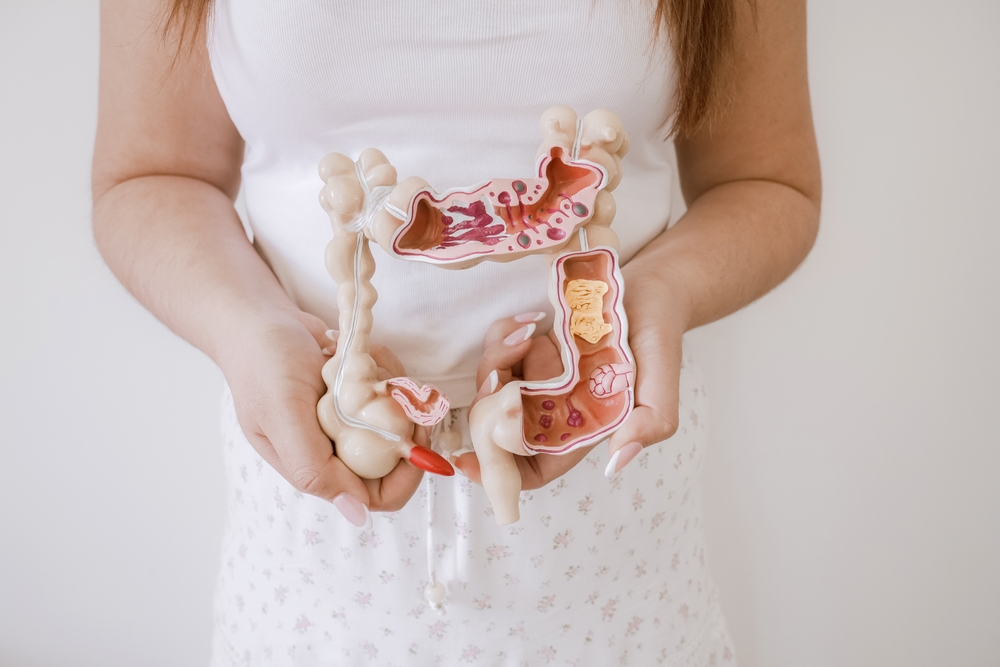
The largest and most complex of these is the microbiome in the gut, primarily in the large intestine, which contains literally trillions of microbes (2). This dense microbial community plays a vital role in digestion, the production of nutrients, immunity, and overall health (3,4). Rather than being passive passengers, these microbes are active partners in our biology and health—shaping how our bodies function and, increasingly, how we age (2).
In fact, as scientists learn more about this gut microbiome, one of the most exciting discoveries is its connection to ageing and longevity. Far from being passive, gut microbes actively influence how our bodies age—affecting everything from immune function to brain health.
This has led to growing interest from both researchers and the wellness industry, which is increasingly promoting “gut health” as a pathway to living longer and better.
But what does the science actually tell us?
What is the gut microbiome?
The trillions of microorganisms in the human gut microbiome belong to thousands of different species (5). These microbes typically are not harmful—in fact, most are beneficial. They help break down food that our body cannot digest on its own – dietary fibre, for instance – producing useful compounds in the process (6).
One of the most important products of microbial activity are short-chain fatty acids, which support the health of the gut lining, reduce inflammation, and influence metabolism (7). The microbiome also helps regulate the immune system, teaching it to respond appropriately to threats, while avoiding unnecessary activation that can lead to inflammation (8).
In a healthy individual, the microbiome is diverse and balanced, meaning many different types of microbes coexist and work together. This diversity is often considered a key marker of good gut health.
How the gut microbiome changes with age
Like many systems in the body, the gut microbiome changes as we grow older. In early life, it develops rapidly, influenced by factors such as how we are born, our diet and our environment. By adulthood, the composition of the microbiome generally becomes stable—but in later life, it can shift again.
Research shows that older adults tend to have a less diverse microbiome, with a reduction in beneficial bacteria and an increase in species associated with inflammation (9,10). These changes are not uniform—some individuals maintain a relatively “young” microbiome into old age—but they are common enough to be considered part of the ageing process.
Several factors contribute to this shift:
- Changes in diet (e.g. lower fibre intake);
- Reduced physical activity;
- Increased use of medications, especially antibiotics;
- Chronic illness; and,
- Social and environmental factors.
The result is often a microbiome that is less resilient and less able to support overall health.
The microbiome and “inflammageing”
One of the most important links between the gut microbiome and ageing is through a process known as inflammageing. This term refers to low-level, chronic inflammation that tends to increase with age and is associated with many age-related diseases.
A disrupted microbiome—sometimes called dysbiosis—can contribute to this inflammatory state. When the balance of microbes shifts, harmful bacteria may produce compounds that irritate the gut lining. At the same time, beneficial microbes that normally suppress inflammation may decline.
This can lead to increased “leakiness” of the gut barrier or lining, allowing inflammatory molecules to enter the bloodstream. Over time, this can increase the risk of conditions such as cardiovascular disease, diabetes, frailty and neurodegenerative disorders (11).
In this way, the gut microbiome can act as a key player in how quickly or slowly the body ages.
Gut health and the immune system
The gut microbiome has a particularly strong influence on the immune system, which also changes with age. As people get older, their immune response often becomes less effective—a process known as immunosenescence.
A healthy microbiome helps “train” the immune system by interacting with immune cells in the gut (8). When the microbiome is disrupted, this training process may be impaired, leading to reduced ability to fight infections, increased susceptibility to illness, and poorer response to vaccines (12).
There is growing evidence that maintaining a healthy gut microbiome could help support immune function in older adults, potentially improving resilience to disease.
The gut–brain connection
Another exciting area of research is the gut–brain axis, the communication network that links the gut with the brain (13). Microbes in the gut can produce neurotransmitters and other signalling molecules that influence mood, cognition (thinking), and behaviour.
In ageing populations, changes in the microbiome have been linked to cognitive decline, depression, anxiety, and neurodegenerative diseases such as Alzheimer’s (13).
While these relationships are still being explored, they suggest that gut health may play a role not only in physical ageing, but also in mental and cognitive wellbeing (see Food, mood and the ageing brain).
Can we support healthy ageing through the microbiome?
One of the most appealing aspects of all this work is that, unlike our genes, the gut microbiome is modifiable. This has made it a major focus of the wellness industry, which promotes products such as probiotics, prebiotics, and “gut health” diets.
While some claims go beyond the current evidence, there are several scientifically supported ways to promote a healthier microbiome:
1. Eat a fibre-rich, diverse diet
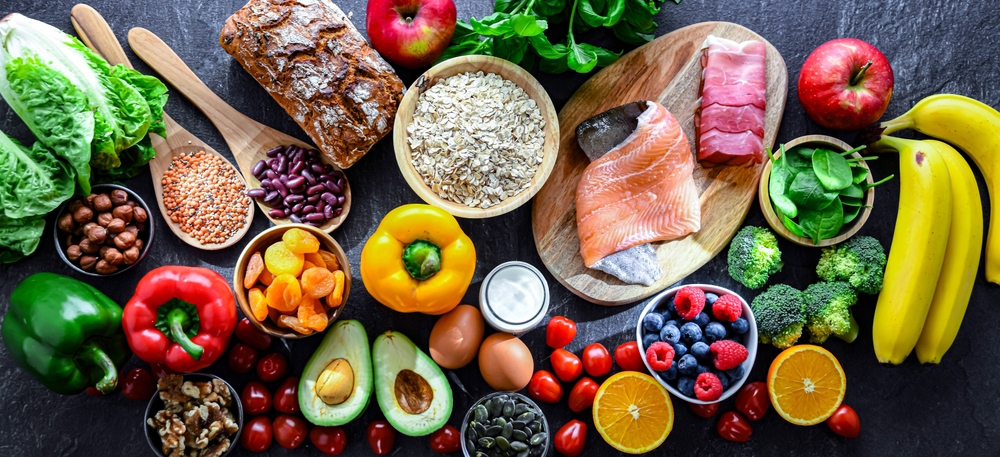
Diet has a powerful influence on the microbiome. Foods rich in fibre—such as fruits, vegetables, whole grains, legumes, and nuts—nourish beneficial bacteria and promote microbial diversity and beneficial digestive activity (3).
Different types of plant foods support different microbes, so variety is important. Diets rich in processed foods and low in fibre are associated with reduced microbial diversity.
2. Include fermented foods
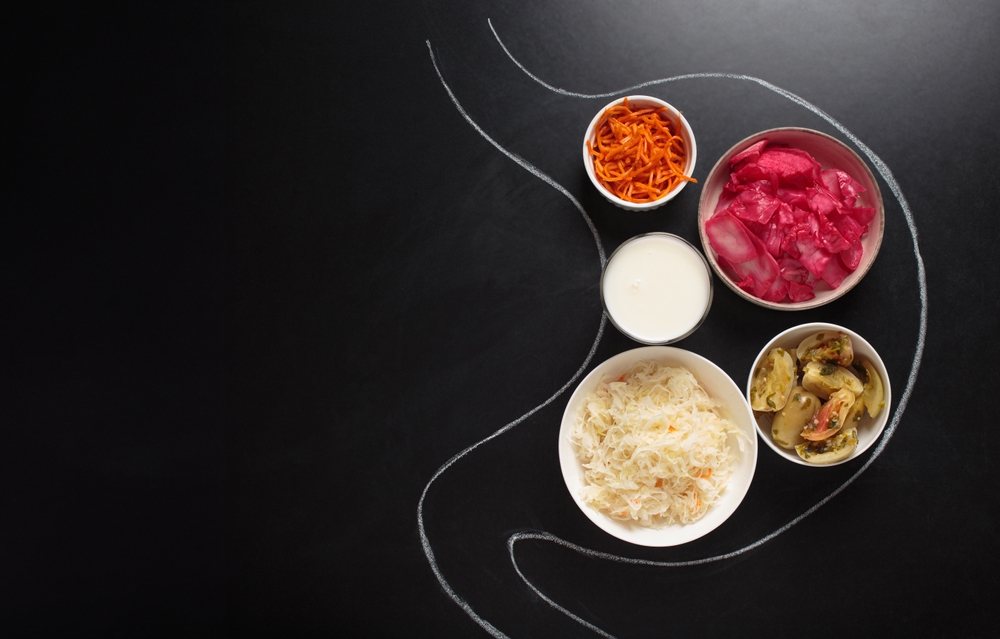
Foods like yoghurt, kefir, sauerkraut, and kimchi contain live microbes that may help support gut health. While the long-term effects are still being studied, these foods can contribute to microbial diversity (14).
3. Stay physically active
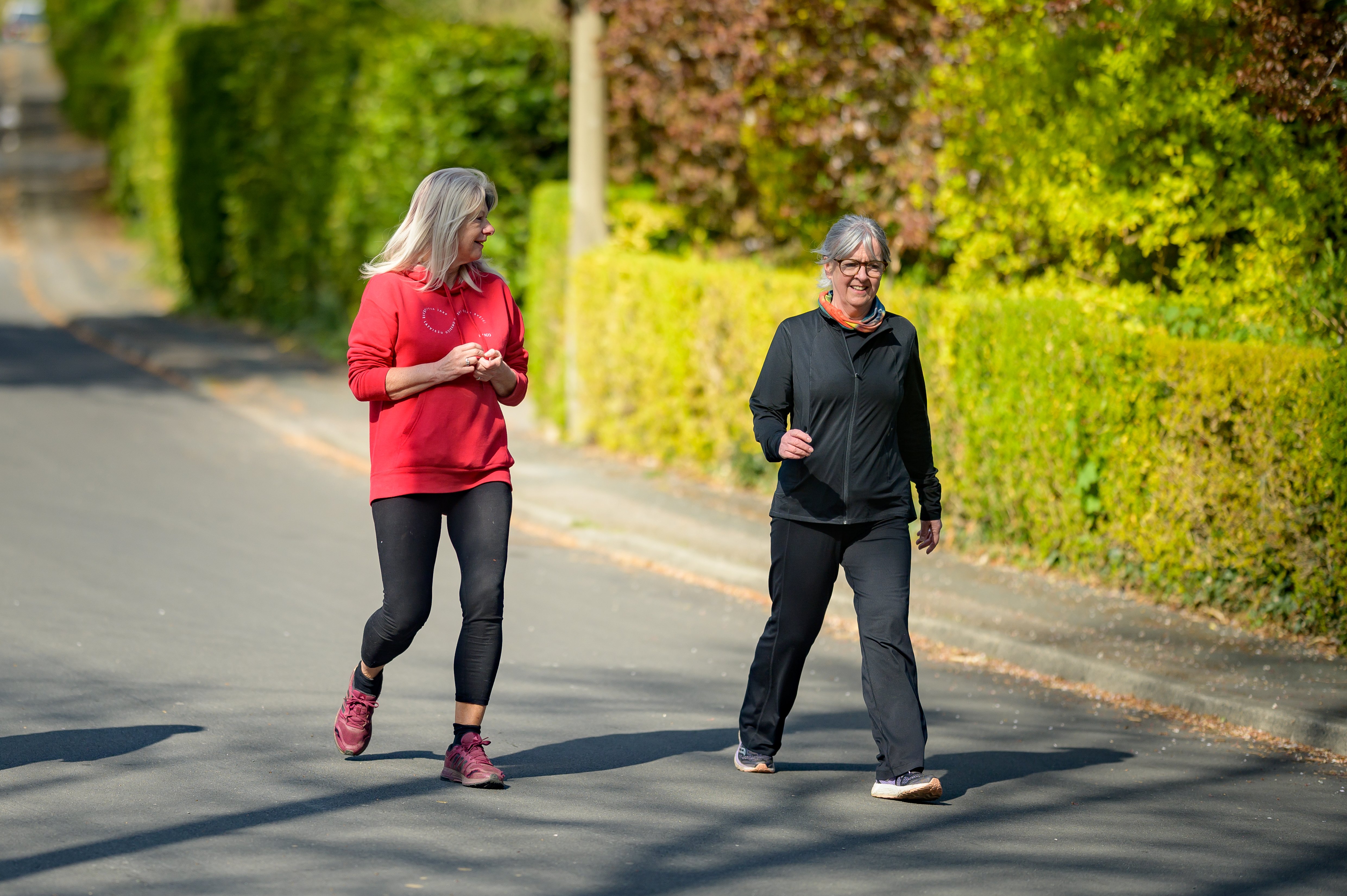
Regular exercise has been linked to a more diverse and stable microbiome (15). It also supports overall health, making it an important factor in healthy ageing.
4. Use antibiotics carefully
Antibiotics can be life-saving, but they also disrupt the microbiome by killing both harmful and beneficial bacteria (16). Responsible use—only when medically necessary—helps protect microbial balance.
5. Maintain social and environmental engagement
Surprisingly, lifestyle factors such as social interaction and exposure to different environments can influence the microbiome. Studies of older adults in care settings show that people living in close proximity share similar microbial communities and often exhibit reduced diversity (17,18).
The microbiome and the wellness industry
The growing interest in gut health has led to a surge in products and services marketed as supporting the microbiome. These range from probiotic supplements to personalised nutrition plans based on microbiome testing.
While this activity reflects the genuine scientific excitement, it is important to approach it with critical thinking. Not all products are supported by strong evidence, and the microbiome is highly complex—what works for one person may not work for another (19).
Scientists are still working to answer key questions, including:
- Which microbes are most important for healthy ageing?
- How can we reliably change the microbiome in beneficial ways?
- Are supplements as effective as dietary changes?
For now, many researchers agree that simple lifestyle approaches—especially diet—remain the most reliable way to support gut health.
A window into the future of ageing
The study of the gut microbiome is transforming our understanding of ageing. It suggests that ageing is not just a result of genetics or time, but also of dynamic interactions between our bodies and the microbial communities we host.
In the future, microbiome-based therapies could become part of mainstream medicine, potentially helping to prevent or treat age-related diseases. These might include targeted probiotics, microbiome transplants, or personalised dietary interventions.
Even without such advanced treatments, however, the overall message is clear: supporting a healthy gut is one of the simplest ways to support healthy ageing.
Conclusion
The gut microbiome is an invisible but powerful partner in our health. As we age, maintaining a balanced and diverse microbial community may help reduce inflammation, support the immune system, and even protect brain function.
While the wellness industry has embraced the idea of “gut health,” the underlying science points to simpler, more practical, accessible actions—eating a varied, fibre-rich diet, staying active, and maintaining overall wellbeing.
For a concept that begins with microscopic organisms, the implications are remarkably large. In the quest for longevity, it seems that looking after the trillions of microbes within us may help us live not just longer, but better.
Want to stay up to date and get articles like this and the latest Science Victoria digital magazine delivered straight to your inbox?
Subscribe for free now at subscribe.rsv.org.au
References:
1. Aggarwal, N. et al. (2023), Microbiome and human health: Current understanding, engineering, and enabling technologies. Chemical Reviews 123 (1):31–72. https://doi/10.1021/acs.chemrev.2c00431
2. Wang, Q. et al (2025), Interaction between gut microbiota and immunity in health and intestinal disease. Frontiers of Immunology 16:1673852. doi.org/10.3389/fimmu.2025.1673852
3. Sanz, Y. et al. (2025), The gut microbiome connects nutrition and human health. Nature Reviews Gastroenterology & Hepatology 22 (8):534–55. doi: 10.1038/s41575-025-01077-5.
4. Vishwakarma, B. et al. (2025), The gut microbiome: A comprehensive review of its role in human health and disease. International Journal of Research Studies in Microbiology and Biotechnology 10 (2):7–25. doi:10.20431/2454-9428.1002002
5. Qin J. et al. (2010 ), A human gut microbial gene catalogue established by metagenomic sequencing. Nature 464 (7285):59–65. doi:10.1038/nature08821
6. Flint, H.J. et al. (2012), Microbial degradation of complex carbohydrates in the gut. Gut Microbes 3 (4):289–306. doi:10.4161/gmic.19897
7. Koh, A. et al. (2016), From dietary fiber to host physiology: Short-chain fatty acids as key bacterial metabolites. Cell 165 (6):1332–45. doi:10.1016/j.cell.2016.05.041
8. Belkaid, Y. & Hand, T.W. (2014), Role of the microbiota in immunity and inflammation. Cell 157 (1):121–41. doi:10.1016/j.cell.2014.03.011
9. Claesson M.J. et al. (2012), Gut microbiota composition correlates with diet and health in the elderly. Nature 488 (7410):178–84. doi:10.1038/nature11319
10. O’Toole P.W. & Jeffery, I.B. (2015) Gut microbiota and aging. Science 4 350(6265):1214–5. doi:10.1126/science.aac8469
11. Franceschi, C. et al. (2018), Inflammaging: a new immune-metabolic viewpoint for age-related diseases. Nature Reviews Endocrinology 14 (10):576–90. doi:10.1038/s41574-018-0059-4
12. Nikolich-Žugich, J. (2018 ), The twilight of immunity: emerging concepts in aging of the immune system. Nature Immunology 19 (1):10–9. doi:10.1038/s41590-017-0006-x
13. Cryan, J.F. et al. (2019 ), The microbiota-gut-brain axis. Physiological Reviews 99 (4):1877–2013. doi:10.1152/physrev.00018.2018
14. Marco M.L. et al. (2017), Health benefits of fermented foods: microbiota and beyond. Current Opinion in Biotechnology 44: 94–102. doi:10.1016/j.copbio.2016.11.010
15. Clark, A. & Mach N. (2016), Exercise-induced stress behavior, gut-microbiota-brain axis and diet: a systematic review for athletes. Journal of the International Society of Sports Nutrition 13: 43. doi:10.1186/s12970-016-0155-6
16. Francino, M.P. (2015), Antibiotics and the human gut microbiome: Dysbioses and accumulation of resistances. Frontiers of Microbiology 6:1543. doi:10.3389/fmicb.2015.01543
17. Jiménez-Arroyo, C. et al. (2025), Gut microbiota and nutrition in nursing homes: Challenges and translational approaches for healthy aging. Advances in Nutrition 16 (11):100520. doi:10.1016/j.advnut.2025.100520
18. Haran, J.P. (2018), The nursing home elder microbiome stability and associations with age, frailty, nutrition and physical location. Journal of Medical Microbiology 67 (1): 40–51. doi:10.1099/jmm.0.000640
19. Zmora, N. et al. (2019), You are what you eat: diet, health and the gut microbiota. Nature Reviews Gastroenterology & Hepatology 16 (1): 35–56. doi:10.1038/s41575-018-0061-2
20. Images from Shutterstock
Other articles of interest






Discover how you can join the society
Join The Royal Society of Victoria. From expert panels to unique events, we're your go-to for scientific engagement. Let's create something amazing.