Dementia: How coping varies with culture
Science Victoria Edition



Brain researcher and clinician, Monash University
Psychology researcher, University of New South Wales
Dementia is an insidious disease, often relentlessly progressive. It leads to significant decline in memory, thinking, language, and behaviour that affects daily life. As such, it impacts the very essence of what it means to be human – our histories, our languages, our connections and relationships. Despite decades of research, it remains incurable.
Dementia is now the leading cause of death in Australia and a major public health challenge [1]. But it is not a normal part of ageing, although the risk does increase with age.
And it is more than a medical issue, it is also a social, economic, and community-level condition. People living with dementia require support to participate in their community and as the disease progresses, it affects the routines and responsibilities of those around them.
But there is hope. Recent evidence suggests that almost half of dementia cases can be delayed or prevented with lifestyle modification [2]. For people in the early stages of Alzheimer’s, the most common subtype of dementia, disease modifying therapies offer a modest benefit [3].
But how we promote brain health and prevent, diagnose and care for people with dementia depends a lot on culture and context.
It is important to note that dementia is not a single disease, but an umbrella term for more than 100 conditions affecting the brain, including Alzheimer’s disease, vascular dementia, and Lewy body dementia. The condition can affect people in different ways, but families often first notice changes in memory, communication, mood, judgement, or ability to cope with everyday tasks. A person who was once confident and independent may begin to forget familiar names or places, struggle to follow conversations, or withdraw from community and family activities.
Dementia prevention
Our current approach to dementia prevention focuses on 14 modifiable risk factors across the course of life [2]. These factors are largely individual, biomedical factors, and include conditions such as hearing loss, high blood pressure, high cholesterol, and smoking. But the framework also recognises socioeconomic and environmental contributors such as limited formal education, social isolation, and air pollution.
Yet this way of thinking reflects a largely Western biomedical view of brain health. In reality, these risk factors do not exist in a vacuum. How readily we can modify our individual health practices depends on broader structural conditions like whether we have enough money to buy fresh food, or whether we have steady employment or stable housing. Australian research shows that Aboriginal and Torres Strait Islander peoples can gain more than others in the population by addressing these modifiable dementia risks [4].
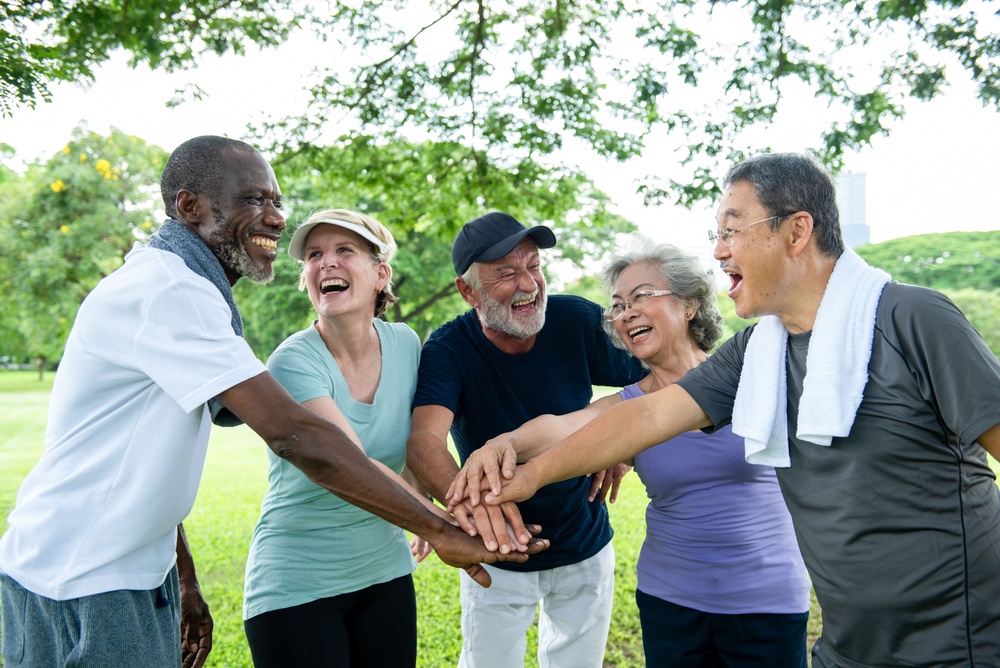
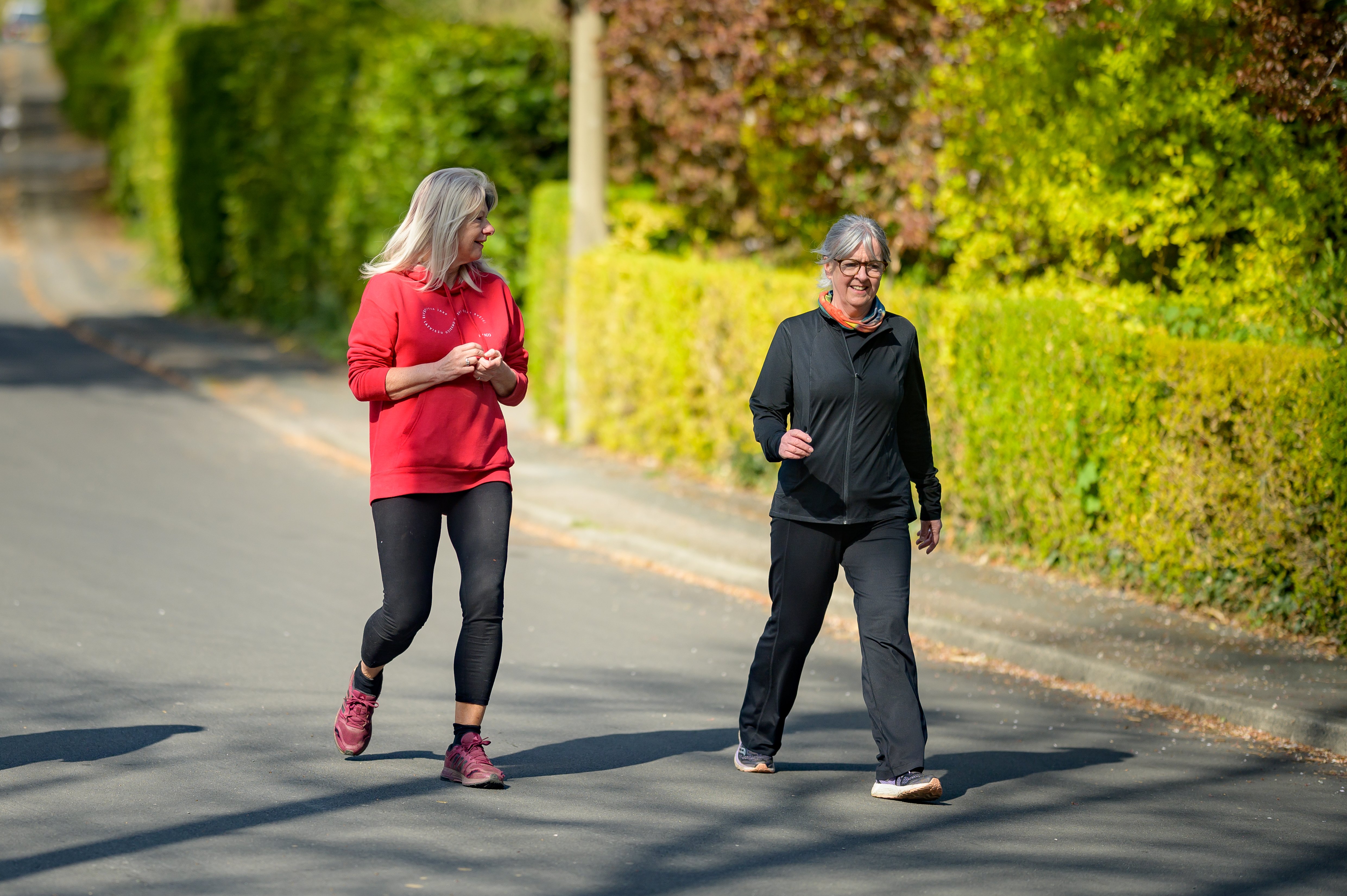
There is scope for broadening our approach to dementia prevention by considering protective avenues too. First Nations Peoples have practised brain healthy behaviours for millennia – walking daily, storytelling as intergenerational learning and maintenance of memory, seasonal dietary practices, and mindfulness based on connection to land and community. Similarly, culturally and linguistically diverse (CALD) communities have strengths that lie outside the Western paradigm – multilingualism and intergenerational caregiving are some examples.
Our current research and clinical practice involves ‘adapting’ mainstream evidence to diverse cultural groups [5]. But consider what we all might gain for universal brain health if we listened more intently to and centred the wisdom and practices of diverse communities. Indigenous knowledge systems extend beyond the brain as a single organ, understanding the mind as fundamentally relational, embedded in family, community, land, and ancestors. Enhancing Indigenous land stewardship could mean healthier ecosystems that in turn support healthier brains, minds and bodies.
Dementia diagnosis
Whether dementia is diagnosed as a medical condition or not is heavily dependent on culture and context, including where we live. In Australia, living rurally is associated with a reduced risk of dementia [6]. But this finding does not hold for Aboriginal and Torres Strait Islander peoples, for whom the odds of dementia stay the same or even rise with increasing rurality [7]. The reasons behind this are not clear, but it is likely that the strength of family and community caregiving limits some of the migration we see in older Australians to bigger metropolitan cities where medical care is easier to access. These trends also reflect how difficult it is to deliver speciality care to the more remote parts of Australia.
Perspectives on dementia also influence whether a diagnosis is sought. It is a common misconception that dementia is a normal part of ageing [8]. In some Indigenous communities, dementia is perceived as a transitory period, between life on earth and the spiritual realm or dreaming [9]. In this context, dementia is not seen to be a pathological or medical condition, but a part of life.
Conversely, where dementia affects behaviour or personality, shame and stigma may discourage diagnosis. Stigma related to dementia is heightened in some CALD communities, where cultural beliefs, language barriers, limited awareness of dementia syndromes, and the impact of migration on ageing all contribute to lower diagnostic rates [10].
Dementia care
Dementia care is a process that involves how, where, and by whom it is provided. Most people want to be cared for in their own home by people they know. But this is not always possible. Caregiving is often borne disproportionally by women, reducing their participation in the workforce and contributing to additional emotional labour and stress. These pressures may be amplified in culturally diverse communities.
For Aboriginal and Torres Strait Islander peoples, racism and the legacy of forced removal and institutionalisation add further complexity that may deter engagement with services outside of family. Strengths-based approaches that celebrate and support cultural continuity are important for improved culturally safe care [11].
For people in the early stages of dementia, blood-based biomarkers such as phosphorylated tau can help classify dementia syndromes, and referral for disease modifying therapy is becoming increasingly possible. This is an exciting field, although the therapy to date is costly and much of the work has been undertaken in highly selected and predominantly Caucasian groups based in the US [12]. There is an urgent need to understand biomarker validity and treatment response across more diverse populations.
Conclusion
It is an exciting time to be working in brain health. Advances in prevention, biomarkers, and disease-modifying therapies are reshaping dementia care. But science is strongest when it looks beyond a single perspective. The future of brain health must not only depend on biomedical advances, but also on listening to and learning from the stories, practices, and collective wisdom that diverse communities have carried for generations.
Want to stay up to date and get articles like this and the latest Science Victoria digital magazine delivered straight to your inbox?
Subscribe for free now at subscribe.rsv.org.au
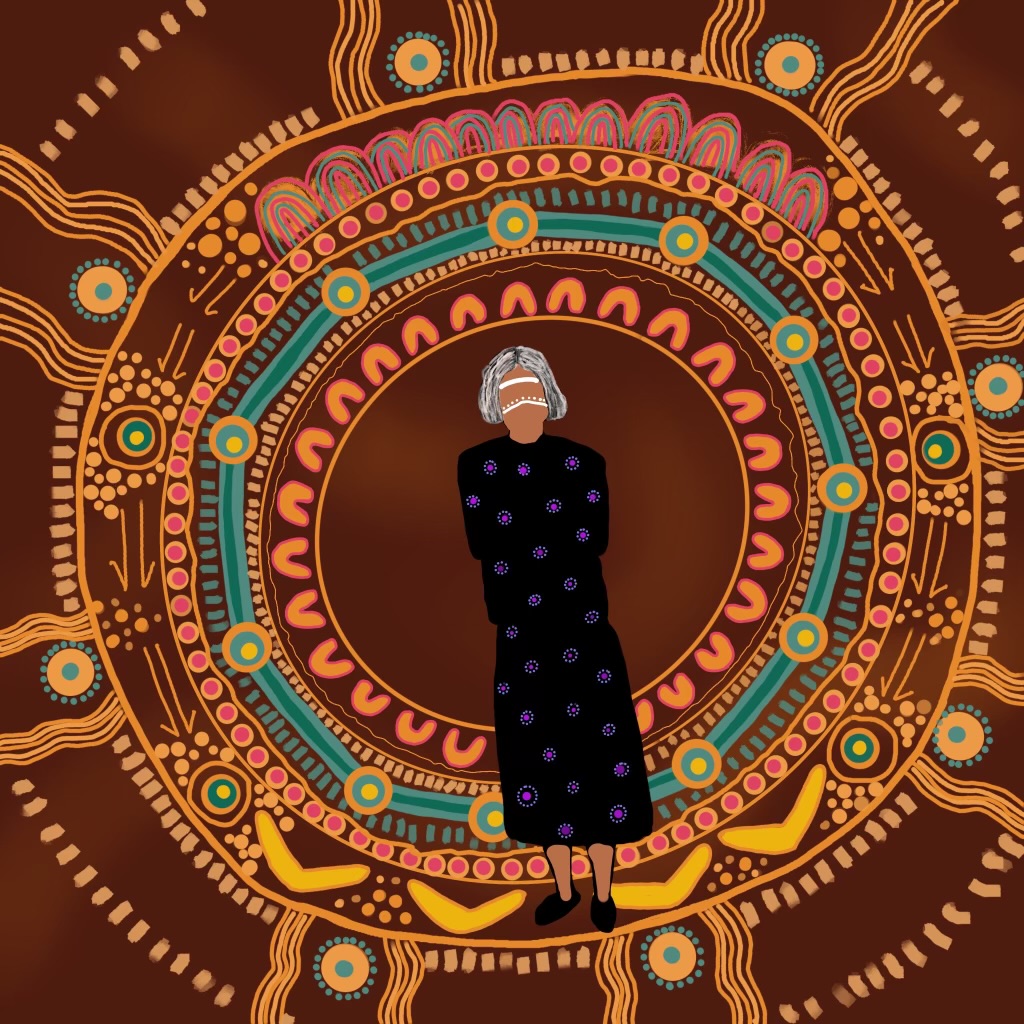
Caption for banner image: This artwork centres on an Elder/person, surrounded by layers representing the support guiding them through their dementia journey. Ochre on the face symbolises identity, strength, and cultural connection, while purple reflects dementia awareness.
The surrounding U-shaped symbols represent family, kinship, and community wrapping around the person before any medical intervention, highlighting the importance of culture, connection, and belonging. The flowing blue and yellow pathways reflect the journey through life and dementia, including moments of care, rest, and support.
The mountains, kangaroo tracks, boomerangs, and fire symbolise Country, cultural foods, spirituality, traditional knowledge, and the strength found in culture. The outer layer represents services and supports working together alongside the person, family, and community in a culturally safe and respectful way, always keeping the person at the centre.
REFERENCES
1. Australian Bureau of Statistics (2025), Dementia is Australia’s leading cause of death. https://www.abs.gov.au/media-centre/media-releases/dementia-australias-leading-cause-death
2. Livingston, G. et al. (2024), Dementia prevention, intervention, and care: 2024 report of the Lancet standing Commission. The Lancet 404 (10452): 572–628. https://doi.org/10.1016/S0140-6736(24)01296-0
3. Nowell, J. et al. (2026), Advances in the drug treatment of Alzheimer’s disease: Pathophysiology and mechanisms of action. BMJ 393: bmj-2023-078881. https://doi.org/10.1136/bmj-2023-078881
4. Sue See, R. et al. (2023), Potentially modifiable dementia risk factors in all Australians and within population groups: An analysis using cross-sectional survey data. The Lancet Public Health 8 (9): e717–e725. https://doi.org/10.1016/S2468-2667(23)00146-9
5. Brijnath, B. et al. (2023), Culturally adapting evidence on dementia prevention for ethnically diverse communities: Lessons learnt from co-design. Clinical Gerontologist 46 (2): 155–167. https://doi.org/10.1080/07317115.2022.2101968
6. Haque, R. et al. (2023), Changes in the prevalence of dementia in Australia and its association with geographic remoteness. PLOS ONE 18 (8), e0289505. https://doi.org/10.1371/journal.pone.0289505
7. Clarke, A. J. et al. (2025), The intersection of rurality and dementia prevalence in Australia for Aboriginal and Torres Strait Islander and non‐Indigenous peoples. Medical Journal of Australia 222 (10): 510–516. https://doi.org/10.5694/mja2.52657
8. Australian Institute Health & Welfare, (2024). First national survey shows that generally Australians know little about dementia. https://www.aihw.gov.au/news-media/media-releases/2024/april/first-national-survey-shows-that-generally-australians-know-little-about-dementia
9. Jacklin, K. & Walker, J. (2020). Cultural Understandings of Dementia in Indigenous Peoples: A Qualitative Evidence Synthesis. Canadian Journal on Aging = La Revue Canadienne Du Vieillissement, 39 (2): 220–234. https://doi.org/10.1017/S071498081900028X
10. Siette, J. et al. (2023), Breaking the barriers: Overcoming dementia-related stigma in minority communities. Frontiers in Psychiatry, 14: 1278944. https://doi.org/10.3389/fpsyt.2023.1278944
11. Gibson (Gamilaraay), C. et al. (2025), A strengths-based approach for Aboriginal and Torres Strait Islander peoples dementia care. Australian Journal of Dementia Care, 14 (4)
12. Smith, C. I. et al. (2025), A systematic review of disparities in Alzheimer’s diagnosis: The overlooked impact of gender and ethnoracial diversity on biomarker expression. Alzheimer’s & Dementia, 21 (S2): e105448. https://doi.org/10.1002/alz70856_105448
13. Banner image artist: Jacinta Smith-Robins, a Wangkumara woman
Other articles of interest






Discover how you can join the society
Join The Royal Society of Victoria. From expert panels to unique events, we're your go-to for scientific engagement. Let's create something amazing.