Winning strategies for sleep ... and a longer life
Science Victoria Edition




Technology innovator and author of "Win The Night To Win The Day"
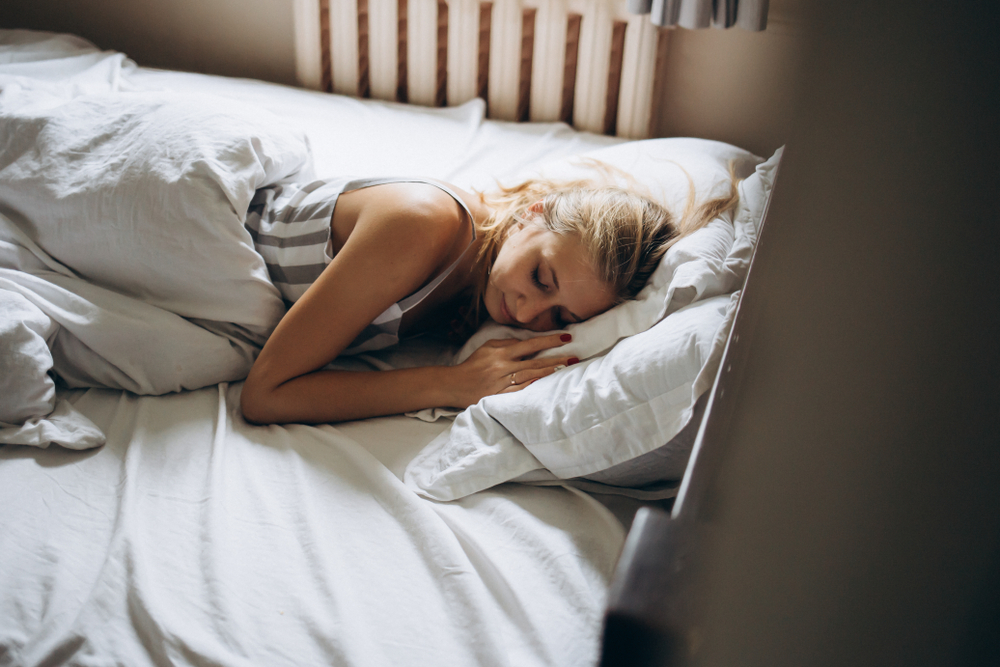
If you are not sleeping well, everything else suffers. No matter how good your plans are for the day ahead, without a good night’s sleep, all bets are off. You are in for a tough day.
Too many nights like that, and you feel it both today and tomorrow.
A few years ago, I stopped accepting fatigue as the cost of ambition. Instead, I did what strategists, researchers and experimenters do. I became curious.
My desire for something better was driven by a single phrase I read in a book by professor of neuroscience and sleep expert, Dr Matthew Walker.
“Shorten your sleep. Shorten your life.”
Gulp!
Why sleep matters more than you think
Sleep is not simply ‘rest’. It’s your body’s maintenance plan, essential to longevity. While you are asleep, your brain clears toxins and metabolic waste, your body repairs itself, your metabolism resets, your immune system strengthens, and your heart recovers.
Cut sleep short consistently, and you do not just become tired, you slowly damage your body and brain, your present and your future.
Large-scale prospective studies (following groups of people over time) and meta-analyses (combining many studies of more than a million people) demonstrate a relationship between sleep duration and all causes of mortality. Short sleep duration—less than six hours a night—is associated with between 10% and 12% increased mortality risk and higher incidence of cardiovascular, metabolic and immune dysfunction.
Serious stuff. Not exactly a trade-off worth making for sending of a few extra emails, watching another episode of your latest streaming program or for overthinking. One late night will not ruin your health. But a lifestyle of ‘just getting by’? That’s where things quietly compound.

A sleepy response
So what’s a tired person, who wants to live well and long, supposed to do when confronted by such stark reality?
I took action. I devised a research strategy to frame the problem of getting enough sleep after busy days. I took my questions to the streets and interviewed global experts on sleep, productivity, health and wellness. I surveyed 250 people and conducted 150 experiments and exercises to improve my everyday habits. The net result was that I built a system that works for me.
If you are one of the 30-45% of adults who struggle with the fallout of restless nights or with ongoing health issues, this system and some of my tips may work for you too.
You cannot outrun your biology
Like others focusing on longevity, my first response was what I should add to my life: better food, more exercise, supplements, the latest health trend. And after making some changes, I felt better to some extent. But it wasn’t until I reframed the problem that I realised the real improvement for a longer, healthier life is not something I should add. Rather, it is something I should protect – sleep.
Two key forces control and regulate sleep patterns and wakefulness: circadian rhythm and sleep-wake homeostasis.
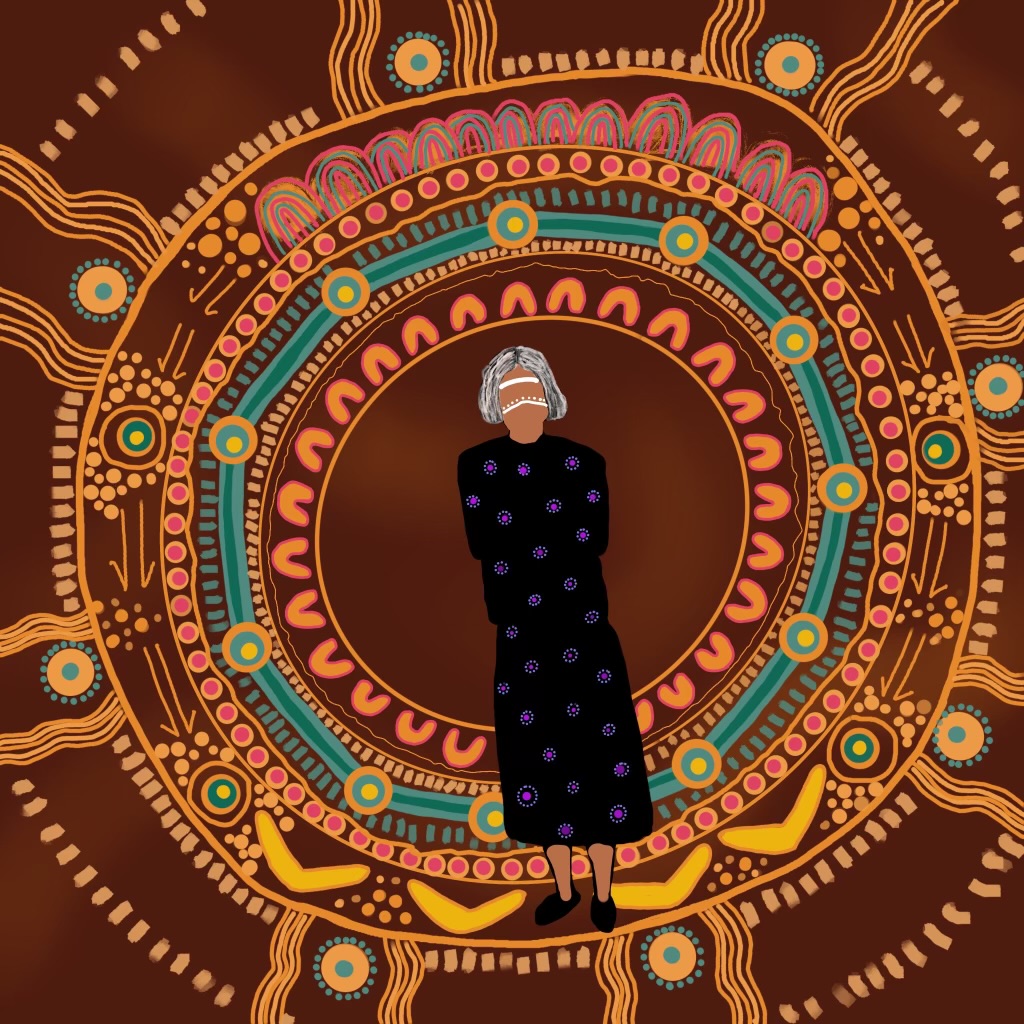
The circadian rhythm describes the patterns of how your body, mind and behaviour change and respond over 24 hours. It is driven by the alignment of your hormonal system with environmental factors such as light and food. Your circadian rhythm is genetically governed so, irrespective of age, your parents are still telling you what time you should go to bed.
Go to bed when you’re tired
Humans are the only mammals to delay or forgo sleep, even when tired.
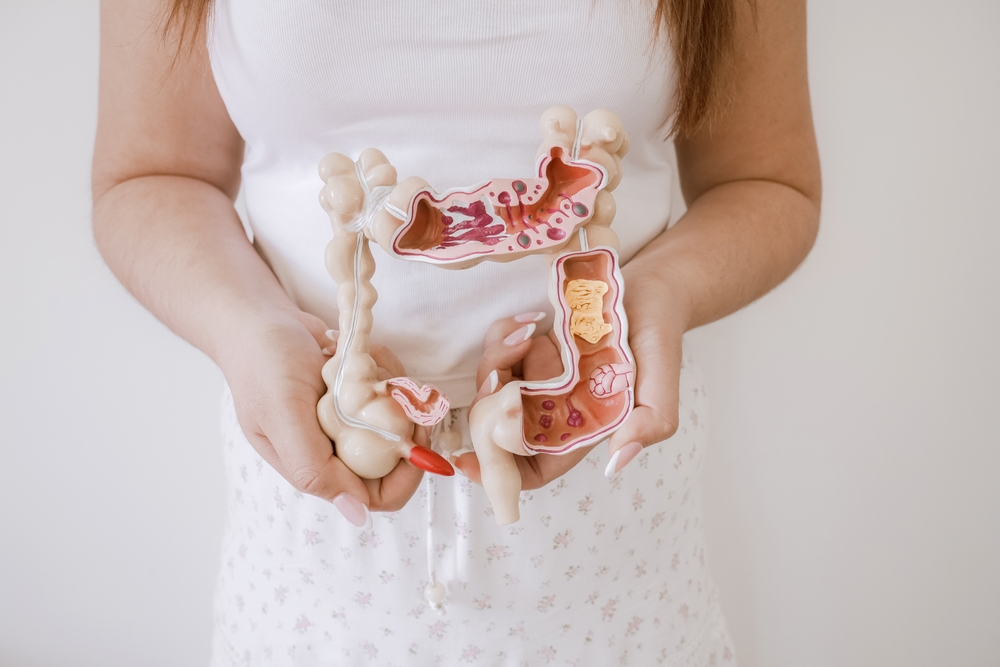
Sleep-wake homeostasis tracks the pressure to sleep, which increases the longer you stay awake each day. Going to bed early will not work if you are not tired. That is why if you sleep-in on weekends, for example, and then decide to go to bed early to wake up for work on Monday, you are likely not to be able to sleep, but to toss and turn. Your body is not tired. Your 16-hour wakefulness clock is not in sync with your desires.
Sleep is a background process designed to operate in your downtime, synchronised with your 24-hour biological clock which is ideally kept in balance via consistent sleep-and-wake times.
Stop leaving good days to chance
A key insight from surveying the ‘slept experience’ of 250 people is that the best days are made at night. 90% of respondents believed sleep is good for them, but only 20% planned on improving their habits. Not because they lacked information, but because nobody has provided them with a system for sleeping that’s both rigorous and real, as opposed to "just sleep better".
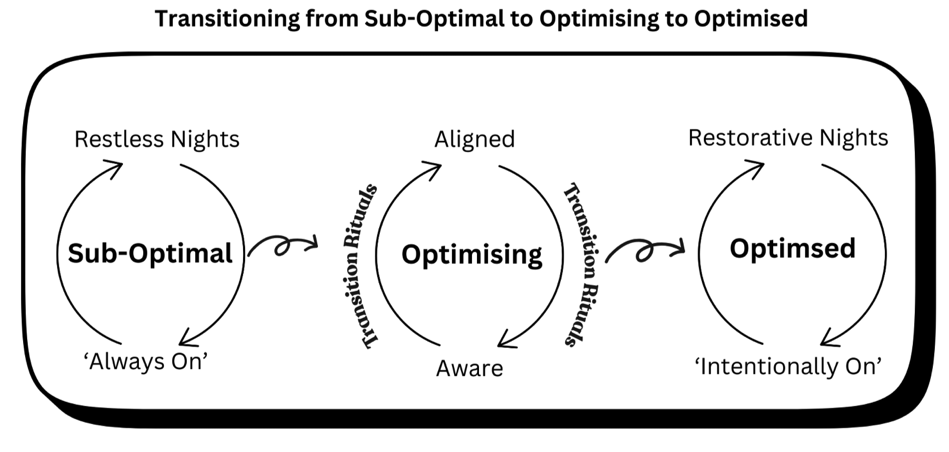
Embracing a structured sleep journey from restless nights (always-on) to restorative nights (intentionally on) via the Sub-Optimal to Optimising to Optimised model pictured below, is designed to support you in winning the night to win the day. The goal is to move towards living your personal best days via an Optimised life where your mindset, time, energy, skills and systems are in sync.
Rethinking your game plan
How do you rethink your game plan to optimise your days so your nights can optimise you?
That question drove me on a learning quest across different disciplines. The same messages kept showing up with the experts I consulted. Among them were:
- Dr Jenny Brockis, a lifestyle medicine doctor – she nominates good sleep as non-negotiable, because without it, everything else falls apart;
- Alison Gardiner, a behavioural scientist and CEO of Sleepstation, a sleep support organisation used by the National Health Service in Britain – she says that even chronic insomnia can be improved with the right behavioural tools. Sleep problems are not ‘fixed’ by luck. A good night’s sleep is trainable;
- Greg Yeutter, the co-founder of Restful, a home lighting company – he highlights the power of light. Get it wrong and your whole sleep system drifts off track;
- Sabine Christelli, a sleep medicine and mindfulness expert – she connects deep sleep with clarity, creativity and high performance, not just health;
- Sarah Gray, a pharmacist and nutritionist – her viewpoint is that for women, disrupted sleep is not random, it’s hormonal, and fixable with the right approach; and,
- Lisa Taylor, a family and relationship psychologist – sees sleep problems play out differently: people come to her with stress, conflict, or behavioural issues, and they often trace back to poor sleep.
Simple things that make a difference
You don’t need a perfect routine to improve your days and nights. Try these tips:
Get morning light (even when it’s cloudy)
Spend time outside within 6o minutes of waking – to set your body clock.
Protect your wind-down
Create a 30-minute buffer before sleep – with dim light, low stimulation, and calm.
Keep sleep and wake times (mostly) consistent
Varying sleep and wake times confuses your system.
Keep and eye on “hidden” stimulants before bed
Coffee, alcohol, late-night scrolling, stressful work.
Move your body (but not right before bed)
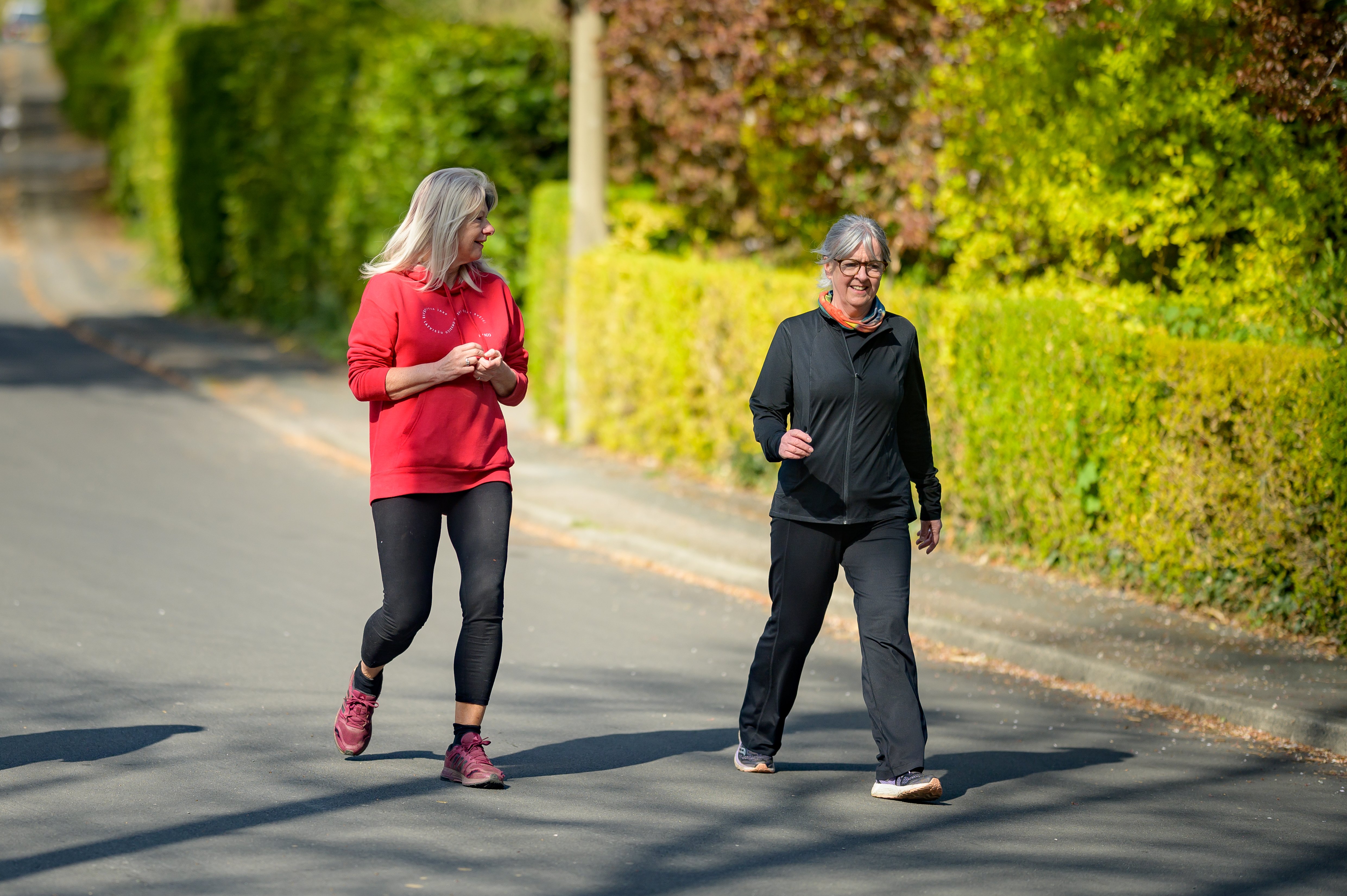
Regular movement improves sleep quality, but not right before bed.
Don’t try to “hack” sleep, support it
Sleep can’t be forced. It happens when the conditions are right.
Create an environment for sleep
If light, timing and stress management are mostly right, sleep follows.
Digital management
Check in with yourself, not your phone, first thing in the morning and last thing at night.
The Bottom Line
You can push through a tired day. But there’s a trade-off: sleep now or pay later. Over time, the body keeps score.
Focus on longevity shifts worth making: Stop treating sleep like the time leftover. Recognise that quality sleep delivers universal healthcare and start treating sleep as the foundation of everything else.
Because it is.
Want to stay up to date and get articles like this and the latest Science Victoria digital magazine delivered straight to your inbox?
Subscribe for free now at subscribe.rsv.org.au
Other articles of interest





Discover how you can join the society
Join The Royal Society of Victoria. From expert panels to unique events, we're your go-to for scientific engagement. Let's create something amazing.