Fitting in with renewable energy
Science Victoria Edition




.jpg)
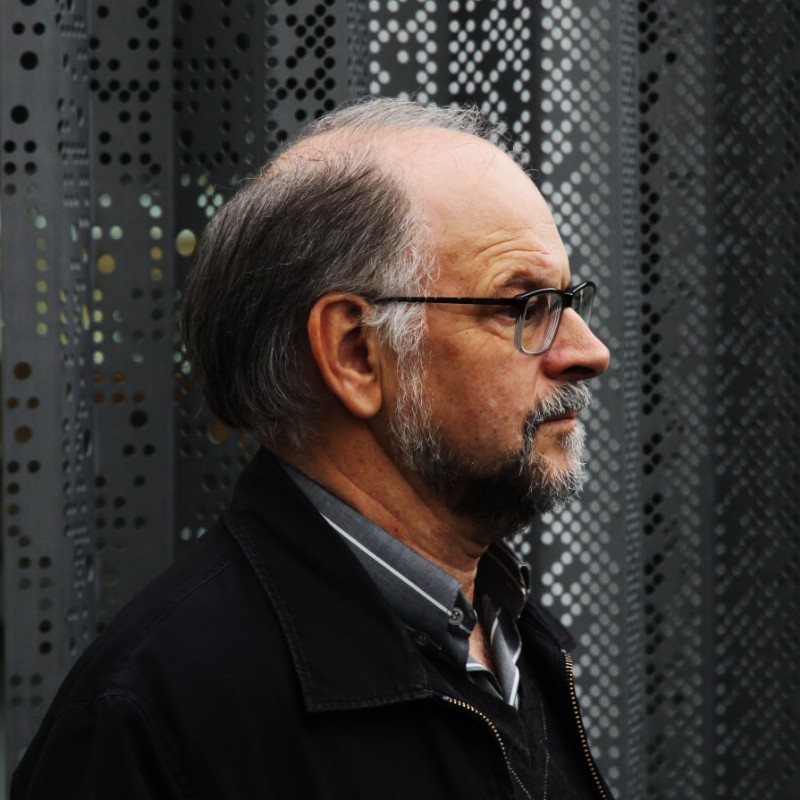
Senior Industry Fellow, RMIT University & Fellow, University of Melbourne
Life in our homes in Victoria used to be simple.
We would manually switch on our appliances and lights when we needed them. Most homes had one heated room and one TV. The State Government owned the coal power stations that supplied most of our electricity and ran all the time. And our uninsulated, drafty homes would be cold in winter and hot in summer.
The State Electricity Commission of Victoria offered cheap prices between 10 pm and 7 am to use up otherwise wasted electricity, because the enormous coal-fired generators could not be turned on or off quickly to match varying electricity demand. So most people had electric ‘off-peak’ storage hot water services that heated up overnight. This was the main example of ‘energy demand management’ at the time.
From 1969, increasing numbers of Victorian households and businesses turned to cheap gas from the Bass Strait oil and gas fields for space heating, hot water and cooking.
Today, Victorian gas production is declining, costs from other sources are expensive, and State and Federal government policies and regulations are encouraging replacement of gas with efficient, electric solutions.
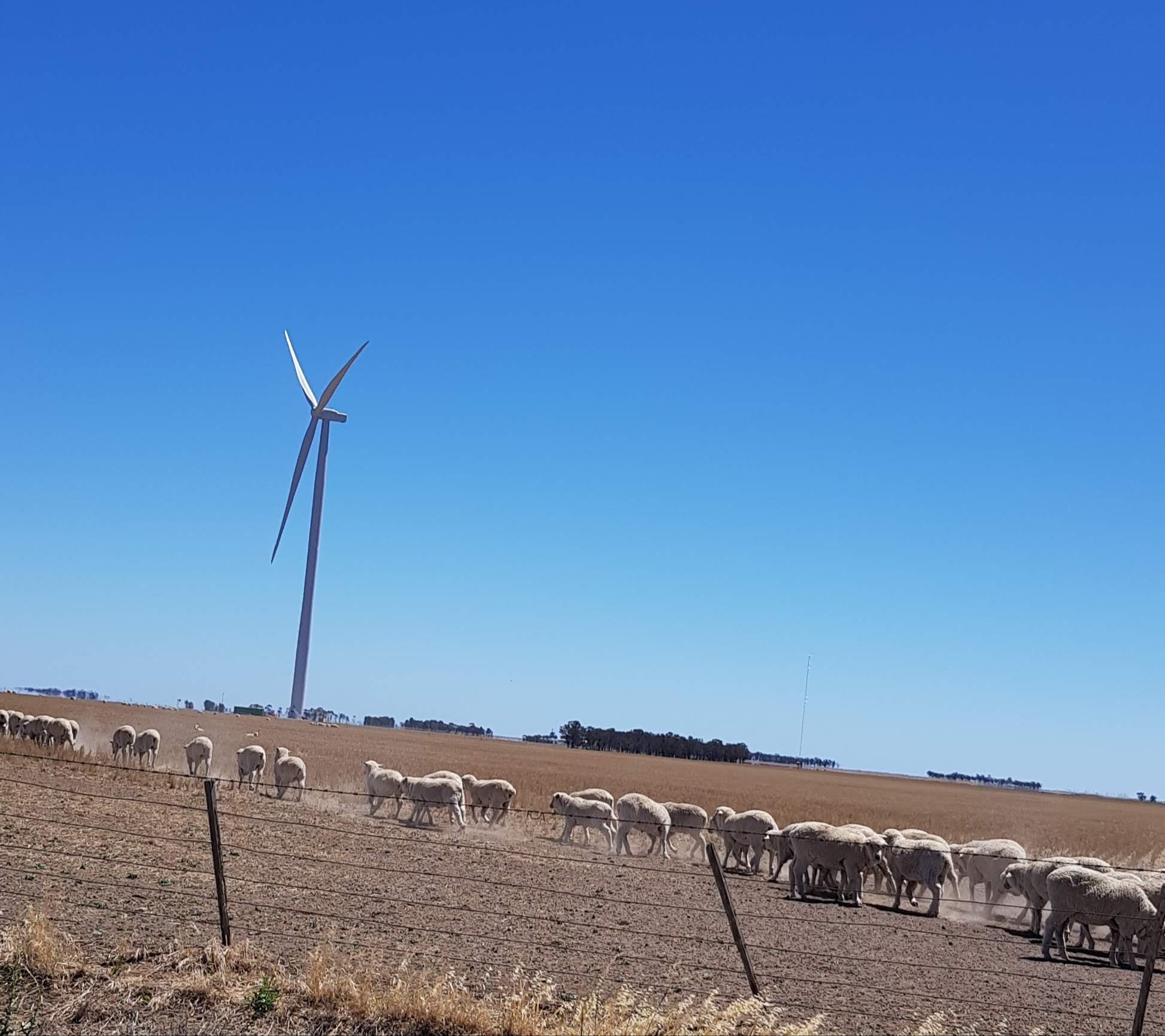
Nowadays , much of our electricity is generated by fluctuating renewable energy sources. So wholesale electricity prices vary every five minutes – from negative to more than $10 a kilowatt-hour. But that amount of electricity typically costs about 35 cents, and buys enough for one cycle of the average dishwasher, or to power a high efficiency light emitting diode (LED) lamp for about a hundred hours.
We can use energy management – also known as demand management, distributed energy resources (DER), such as rooftop solar, or community energy resources (CER), such as community power hubs – to adapt to this complicated situation.
This challenges the traditional business models of energy retailers, network operators (who run the ‘poles and wires’ in streets and cities), transmission operators (who run the major powerlines between power stations and network operators), and those who generate electricity.
While we can still manage our energy use manually, many appliances now can be programmed to run when it’s convenient or when power is cheap. They may incorporate lots of different operating options from which we can select, or be equipped with smart, automated controls that work out when and how they should run.
Those who have rooftop solar want to shift appliance use to sunny times to get maximum value. And an increasing number of homes have batteries that can store cheap or low-carbon-emission electricity from solar panels or the electricity grid – through a contract with a retailer – to use when we want.
Some people have sophisticated home energy management systems (HEMS) that can be programmed, or controlled remotely by mobile phone, to run appliances. HEMS can also decide when it’s best to run those appliances.
Energy management systems can play many roles, such as:
- collecting real time data to underpin the optimisation of energy use;
- controlling automated appliances, thermostats, ventilation etc to deliver services when they are wanted or needed, or when they cut energy and other costs;
- integrating solar panels and batteries to maximise their value and minimise carbon emissions and costs;
- optimising energy use and other factors, such as comfort, to minimise energy bills while maximising benefits; and,
- identifying emerging faults or other issues that impair appliance performance or increase energy bills, such as clogged air conditioner filters or the need for maintenance.
Many modern appliances are amazingly energy efficient, so using them, instead of their older counterparts, puts less pressure on the electricity supply system and helps cut energy bills. An LED lamp, for example, uses a tenth as much electricity as an old-fashioned incandescent light globe. The most efficient 8-star family fridges use about 80% less electricity than older fridges, and keep food safe for much longer.
A heat pump clothes dryer uses a third to a quarter as much electricity as a traditional clothes dryer. Importantly, it does not release hot, humid air, which can cause condensation that encourages the growth of unhealthy mould. In fact, it recycles its humid exhaust air, extracting the heat and condensing the water vapour back to liquid water, thus helping to warm the inlet air. So it uses less electricity, and provides a bonus container of water.
A modern, well-insulated home with a reverse cycle air conditioner, built to the regulated minimum 7-star standard, can use 90% less energy than an older 2-star home with a gas heater – and it provides cooling too. Double glazing, now being installed in many homes, cuts noise and reduces condensation, as well as saving energy. Efficient homes can install smaller, quieter, cheaper heating and cooling equipment that runs less of the time and reduces peak energy demand.
The sensors to monitor operation, the computing power to track energy use, and the mechanisms that respond to factors such as changing weather and energy prices are all becoming cheaper, smaller and smarter. And they can do much more than manage energy. They provide multiple other services as well, such as running home security systems, for example, or providing early warning of emerging appliance failures. They can also operate ventilation, and even allow the family dog in and out.
Our power, which increasingly comes from renewable sources of low climate impact, is getting cheaper, so shifting to electricity from fossil fuels such as gas is becoming more and more attractive. As well as cutting carbon emissions, moving to ‘efficient all-electric’ avoids the fixed daily charges of a second energy source. For new homes, it avoids the costs of gas infrastructure and on-site pipes. Most new and existing homes in Victoria already have air conditioners for cooling and, if appropriately selected and installed, a reverse cycle air conditioner can deliver both heating and cooling.
Energy management is transforming not only homes. The new Formula 1 racing rules mean that advanced management of energy to charge and release power is beginning to transform car racing. It is also improving the performance and safety of e-bikes and e-scooters. And energy management, supported by AI and digitalisation is driving productivity improvement and optimisation of energy use and carbon emissions across industry.
Want to stay up to date and get articles like this and the latest Science Victoria digital magazine delivered straight to your inbox?
Subscribe for free now at subscribe.rsv.org.au
The Victorian Government offers a range of incentives to encourage households and businesses to manage their energy use, purchase suitable appliances and equipment, upgrade building energy efficiency and switch from fossil fuels. These are delivered by Solar Victoria, the State Electricity Commission and the Department of Energy, Environment and Climate Action. Energy standards for rental properties are being phased in and other measures are included in the Government’s Gas Transition Strategy.
Many local councils and local, state and national environment groups provide resources, activities and programs to help Victorians manage energy and climate impacts. Examples include Environment Victoria, ReNew, Electrify Everything.
Business groups that focus on energy management include the Energy Efficiency Council, Smart Energy Council, Clean Energy Council and, focused on commercial and industrial energy, the Australian Alliance for Energy Productivity.
The Climate Change Authority hosts a Climate Policy Tracker at Climate Policy Tracker | Climate Change Authority . It lists more than 430 policies and actions, a 12% increase in 2025 from 2024.
Other articles of interest





Discover how you can join the society
Join The Royal Society of Victoria. From expert panels to unique events, we're your go-to for scientific engagement. Let's create something amazing.