Medical research: Half the funding means half the future
Science Victoria Edition





Director of Research, National Ageing Research Institute and RSV Councillor

Executive Officer, Association of Australian Medical Research Institutes (Victoria)
Victoria’s 14 independent (standalone) medical research institutes generate a diverse range of studies, treatments and therapies that provide people with the very best healthcare. Their work saves lives and improves the health and wellbeing of current and future generations.
Examples include the role of the Walter and Eliza Hall Institute in the development of Venetoclax, which delivers complete remission for patients with particular types of advanced leukemia; the Bionics Institute’s implanted medical device for Crohn’s disease that eliminates the need for further surgery; and the Hudson Institute of Medical Research’s stem‑cell discoveries which are being used to develop desperately needed treatments for women with endometriosis, about one in seven.
Medical research is also a cornerstone of Victoria's economy. Every $1 invested by the Victorian Government generates $3.66 in return [1]. The sector contributes more than $600 million to the State each year [2]. In Victoria’s 2024 Economic Growth Statement, medical research is highlighted as one of five key industries driving Victoria’s future economic growth [3].
Moreover, Victoria’s medical research sector supports 28,000 highly skilled jobs directly, and another 46,000 jobs indirectly [4]. And it delivers significant savings to the Victorian healthcare system each year through the development of efficient and effective treatments and care.
An excellent example of one of these research bodies is the National Ageing Research Institute (NARI), which plays a unique and critical role. As Australia’s leading research institute dedicated exclusively to ageing, NARI strengthens Victoria’s global reputation in gerontology, healthy ageing, dementia research, falls prevention, culturally responsive care, and aged‑care innovation.
The collective power of all of Victorian science is immense. But despite this high return, the State’s medical research sector faces a growing funding gap, requiring urgent investment to remain sustainable.
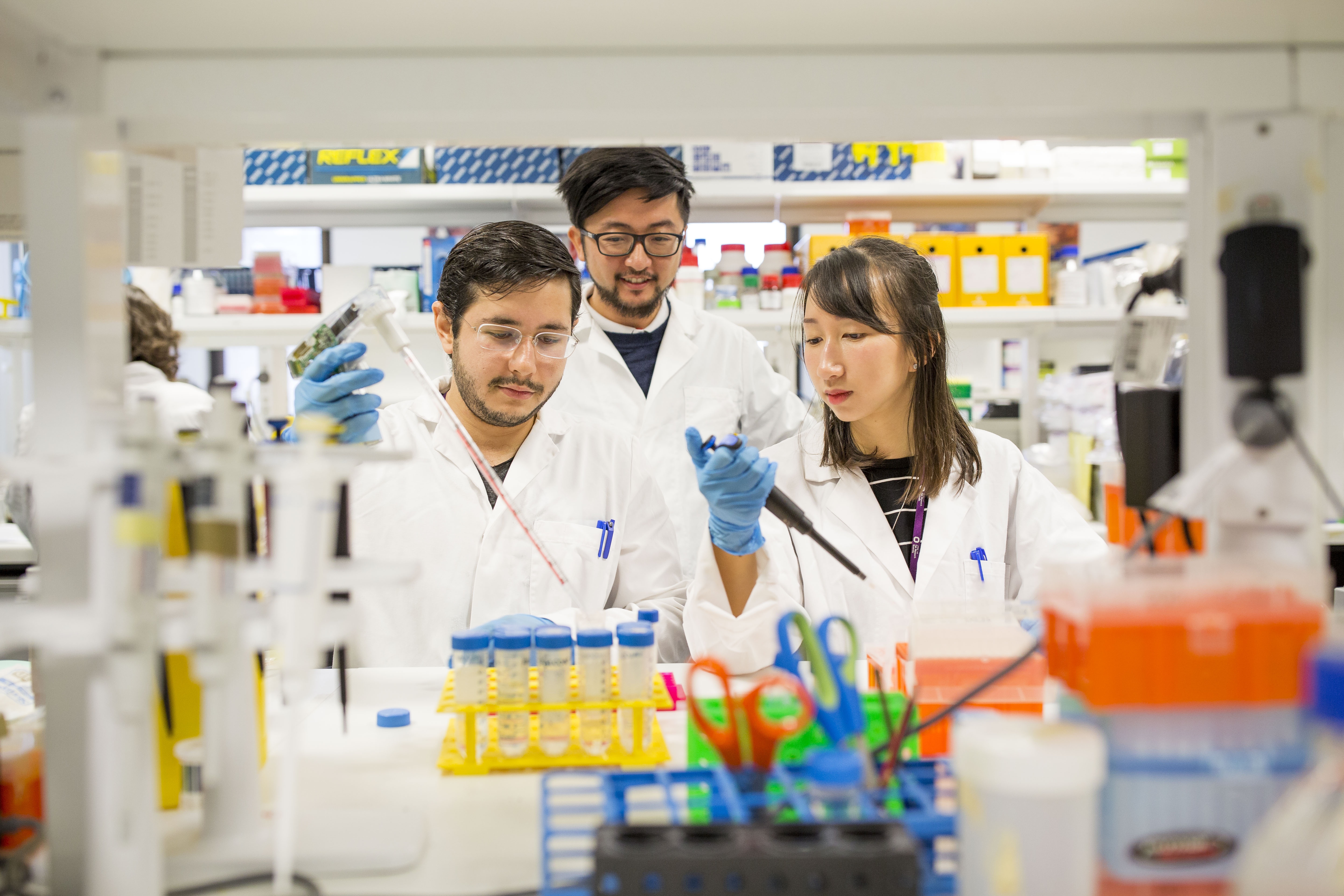
Victoria’s research future is under threat
Despite their proven impact, Victoria’s medical research institutes - NARI included - are facing unprecedented financial pressure due to a broken funding model. Research grants rarely cover the full cost of pursuing research, leaving the institutes to absorb the unfunded portion of essential infrastructure, staff, and technology (also known as indirect costs).
Despite receiving 47% of national medical research funding, Victoria provides the lowest level of state support for the indirect costs of research, contributing just 17 cents for every grant dollar - far behind New South Wales at 55 cents and Queensland at 80 cents [5],[6]. As other states increase investment, Victoria has fallen to the back of the pack, leaving independent medical research institutes to absorb a growing shortfall.
In 2023, the gap between grant income and the full cost of research exceeded $200 million. That gap is projected to rise to more than $370 million by 2029, meaning Victorian institutes must find an additional 48 cents for every $1 of research funding simply to cover essential indirect costs [7],[8].
These indirect costs include research ethics, cybersecurity, storing patient data, biobanking, laboratory maintenance, accreditation, commercialisation, technology transfer, HR and legal and finance fees. These costs are critical to undertaking the world-leading medical research for which Victoria is renowned.
This structural deficit threatens the long‑term sustainability of our institutes, which already run lean and efficient operations and, wherever possible, share resources, platform technologies, and critical infrastructure.
The reality is that medical research is the only sector where the Federal and State Governments commission (research) work, but do not pay the full cost of conducting that work.
Investment is needed now
Recent independent research has found that, due to the rapidly rising indirect costs of research, most Victorian medical research institutes will not be financially viable by 2029 [9].
This will result in significant job losses and a ‘brain drain’ from Victoria, as researchers move interstate or overseas where governments provide better support.
In addition, Victoria is missing opportunities to benefit from the global uplift in medical research. Advances in AI and quantum computing are at risk of bypassing Victoria unless it provides certainty of support so that institutes can meet the full economic costs of medical research.
Without a thriving medical research sector, Victorian patients and their families will lose access to clinical trials that provide rapid access to cutting-edge treatments not usually available anywhere else, often at no cost.
A solution is within reach
And yet, we can easily deliver sustainability and ensure Victoria’s distinguished position as a national leader in globally renowned health and medical research.
Australia’s Medical Research Future Fund (MRFF) was established with the sole purpose of funding medical research.
When establishing the MRFF the Federal Government made a commitment that once it reached $20 billion, $1 billion each year would be released to support medical research. This would maintain the Fund’s capital base, and use only the interest generated. The MRFF has now accrued $24.6 billion, but annual disbursements have never exceeded $650 million.
Independent modelling by the Parliamentary Budget Office, commissioned by crossbench Federal Member for Kooyong, former clinician and medical researcher Monique Ryan, has shown that up to $1.4 billion could be released annually from the MRFF, without touching the capital. Releasing this funding would provide immediate stability for the institutes, safeguarding research at a time when Australia needs it most.
“It’s inexplicable that we have billions sitting in the bank, but are failing to use them for the purpose for which they’ve been put aside,” Dr Ryan says. “We know that many Australian researchers spend as much as three months a year writing grant applications with ever-decreasing chances of success. It’s heartbreaking to see brilliant young people leave the industry – and often leave the country – because our government won’t support them in their efforts to innovate, to drive discoveries, and to improve our economy and our health.”
Scientists, medical research institutes, the Federal crossbench and the Federal Greens, alongside many ordinary Victorians, have all joined the call for the Commonwealth Government to release the promised funds.
In fact, Monique Ryan MP has started a campaign. You can access it at www.moniqueryan.com.au/medical_research_matters. It takes less than a minute on this site to send an email to the Health Minister, Treasurer, and Finance Minister asking them to increase spending from the MRFF.

Why this matters
Securing the financial viability of Victoria’s medical research institutes is one of the most consequential decisions we can make for our State’s future.
It will generate outsized economic returns, accelerate biomedical innovation, strengthen our disability, health and aged‑care systems, and ensure that every Victorian benefits from world‑leading care and life‑changing discoveries.
In addition, it is an investment in the wellbeing, dignity, and future of every Victorian family.
The return is huge, and the cost of inaction even greater. The question is not: Why invest? but: Why wouldn’t we?
Want to stay up to date and get articles like this and the latest Science Victoria digital magazine delivered straight to your inbox?
Subscribe for free now at subscribe.rsv.org.au
References
[1] KPMG (2021), ‘Creating a Healthy Future: The impact of Victorian Government investment in health and medical research’, Department of Jobs, Precincts and Regions, Melbourne, p2.
[2] Nous (2025), ‘Updated impacts of the funding gap in the full cost of research: modelling the gap between funding and the full cost of research for Victorian iMRIs’, prepared for AAMRI VIC, November 2025.
[3] Department of Treasury and Finance (2024), ‘Economic Growth Statement – Victoria: Open for Business’, State of Victoria, Melbourne.
[4] KPMG (2021)
[5] AAMRI VIC (2026), ‘The indirect costs of research: revenue and state government support’, unpublished data available from AAMRI VIC.
[6] Nous (2025)
[7] Nous (2024), ‘The impacts of the funding gap of the full cost of research: Modelling the gap’, prepared for AAMRI VIC, November 2024, available at aamri.org.au/resources/industry-reports/aamri-vic-nous-report-financial-viability-of-victorian-independent-medical-research-institutes/
[8] Nous (2025)
[9] Nous (2025)
Other articles of interest






Discover how you can join the society
Join The Royal Society of Victoria. From expert panels to unique events, we're your go-to for scientific engagement. Let's create something amazing.