The Future Technologies Reshaping Victoria's Economy
Science Victoria Edition






Senior Partner, Cognizant Technology Solutions and RSV Council member
Technology is reshaping our economy, our society and our career opportunities faster than ever. While inherently global, technology’s impact is far from uniform. Cities, states and countries that can build assemblies of interconnected industries known as economic clusters, to take advantage of new technology expanding or scaling, have disproportionate success in terms of growth.
We thought we would look at how Victoria is positioned in terms of those technologies that are currently shifting from innovation to adoption.
Can we as a state or a nation build the critical mass of tomorrow’s high-growth technologies to attract, train and retain the talent needed to sustain our economy?
Success in future technology breaks down into two challenges:
- Becoming a home for the distinctive, valuable skills and capabilities that enable the development of technology; and
- Applying, adapting and integrating high-growth technologies, both home-grown and from elsewhere, into our industries
Categorising new technologies
The annual report on technology trends published by global management consultants McKinsey and Company [1] categorises and analyses the evolution of new technologies. It determines the life-stage and growth trajectory of each technology by assessing the levels of investment and trends in recruitment of necessary skills. An adaptation of that analysis is shown in Figure 1.
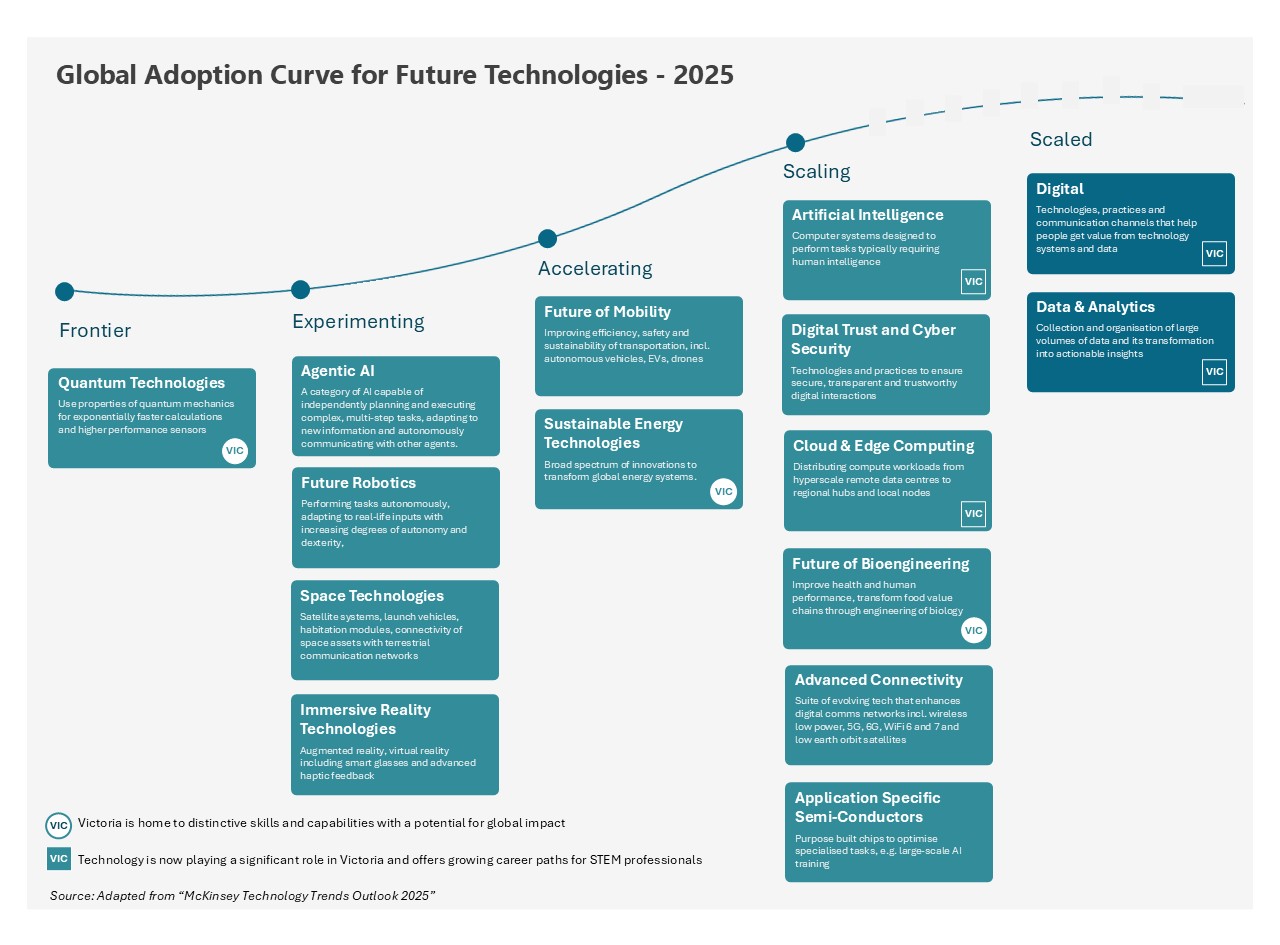
The RSV looked at those technology categories for which Victoria shows signs of having a globally significant level of skills and capabilities, or which the State is applying and adapting at scale.
But first a caveat! Victoria is sometimes described as the science and technology centre of our region, so it would be surprising if there were not examples, in universities, science precincts and businesses across the State, of every future technology listed by McKinsey. The RSV has picked out seven categories to highlight, together with examples of the organisations involved in them.
But if you think Victoria has a great example of globally leading technology or organisation that is not highlighted in this article, please share it on RSV’s social media feeds.
Victoria’s Distinctive Technologies
Quantum Technologies
What is it?
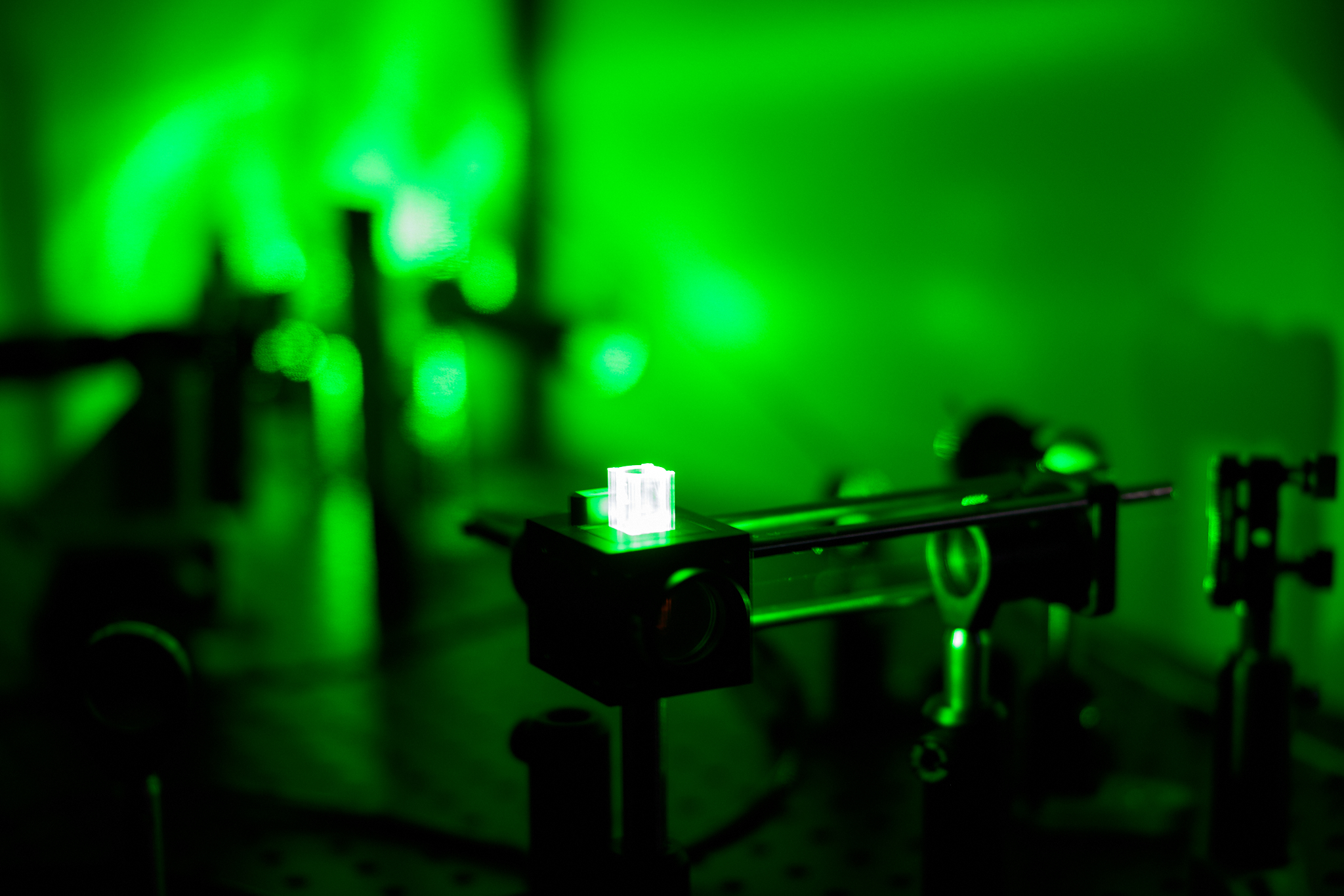
Technologies that make use of the properties of quantum mechanics to perform exponentially faster calculations and build higher performance sensors than are available at present.
The Australian Government has been backing quantum technologies for several years. It’s an area the Government thinks Australia can develop and take a leading position in. Just last month, Google announced it was running an algorithm 13,000 times faster on quantum computer hardware than on ‘classical’ supercomputers.
Where is it found in Victoria?
Melbourne is set to be the home of a quantum diamond foundry, producing diamond components for companies such as FeBI Technologies, which is developing quantum sensing medical technology and Canberra-based company Quantum Brilliance, which has developed some of the world’s first quantum computers to operate at room temperature.
Several of Victoria’s universities have attracted global investment to build quantum research facilities. The University of Melbourne hosts the IBM Quantum Hub; RMIT and La Trobe Universities are collaborating with Quantum Brilliance; and Swinburne University along with Breakthrough Victoria are partnering with US-based quantum technology company, Infleqtion, which has just listed on the US NASDAQ stock exchange.
Future Energy and Sustainability
What is it?
A broad spectrum of innovations to transform global energy systems, focused on climate adaptation and renewable energy, electrification and clean molecules – such as Green Ammonia – which assist in decarbonisation
Ten years ago, Victoria held the dubious honour of having some of the highest CO2 emissions per capita in the world, courtesy of the legacy of our brown-coal power stations. This is changing fast – though for many, not fast enough – helped by some of the world’s best natural wind and solar resources, and also by some local innovations.
Where is it found in Victoria?
Jupiter Ionics is one of spinouts Monash University’s business incubator Monash Innovation. It has a scalable technology to produce Green Ammonia using water, air and renewable power.
Conflex Technology has developed heat exchanger technology that dramatically improves energy efficiency in automotive, aviation, defence and industrial processes.
Ghove Energy, another start-up spun out of Monash University, is developing rechargeable lithium-sulfur (Li-S) batteries which are cheaper, lighter and less environmentally harmful to manufacture than the current ubiquitous lithium-ion batteries. They may one day even power aircraft. We have a story on this innovation in this issue.

Victoria and Australia’s east coast is one of the world’s most challenging renewable electricity markets. This is encouraging globally leading innovation in how energy is managed. Amber and Flow, for example, are Melbourne-based businesses that have developed innovations to help everyday businesses and households orchestrate their energy usage so as to take advantage of peaks and troughs in spot prices driven by renewables.
Future Bioengineering
What is it?
The application of engineering principles to biology – gene editing and synthetic biology, for example – to improve health and human performance, transform food chains, and create innovative products.
Between Victoria’s universities, research institutions, government-backed innovation precincts and biotech firms, Victoria has developed a world-class science, technology and engineering cluster in scaled and emerging technologies.
Where is it found in Victoria?
Two Melbourne precincts in Parkville and Clayton, both anchored around universities and hospitals, are home to many organisations at the forefront of these technologies.
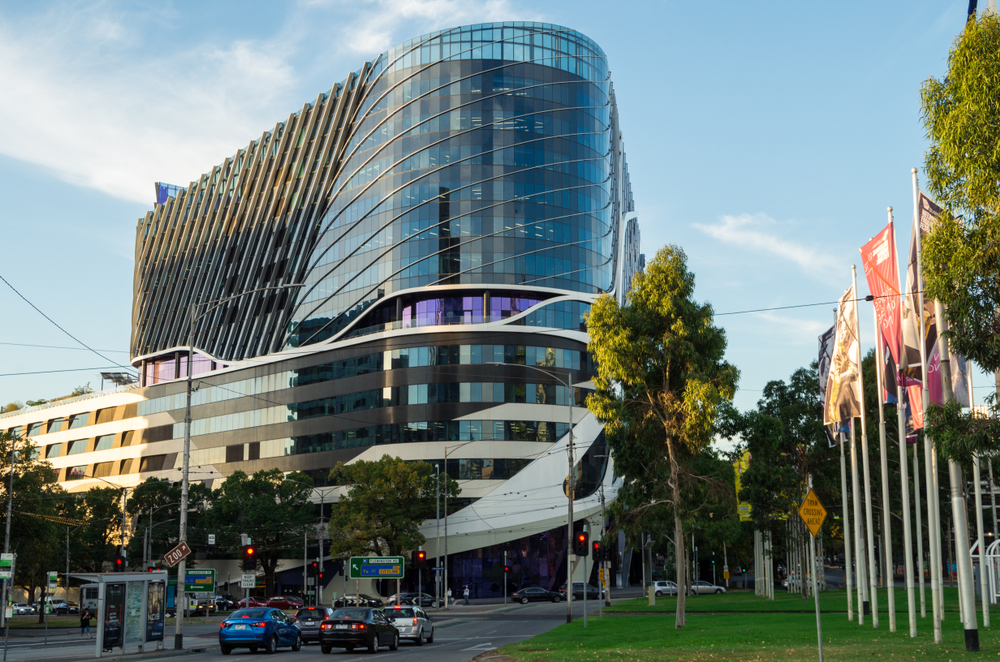
The Florey Institute conducts world-leading medical research focused on brain and mental health.
Moderna has located the southern-hemisphere’s only mRNA manufacturing facility in the Monash Technology Precinct.
CSL, Australia’s largest biotechnology business, houses its global headquarters, some of its research, and the Jumar Bioincubator in the Parkville precinct.
And, in an example of crossover between a couple of technology categories, FeBI Technologies is developing quantum-sensing medical technology to tackle iron disorders (see the article on FeBI in this issue of Science Victoria).
Technologies Victoria is Applying, Adapting and Integrating
Artificial Intelligence
What is it?
Computer systems designed to perform tasks that up till now have required human intelligence. These systems combine algorithms, data, and computational power to recognize patterns, make decisions, and learn from experience.
While much of world’s development of large AI models and products is happening in the US and China, the application of AI and its integration into existing products and processes is gathering pace in Victoria.
Where is it found in Victoria?
Technology integrators like my own organisation, Cognizant, are helping Australia’s enterprises apply the right AI in a safe way to challenges they have recognised for years. For example, a Victorian based aged-care operator is now able to complete shift handovers more effectively and in a third of the time than in the past, because it can focus conversations on the most important patient issues thanks to AI.
Cloud and Edge Computing
What is it?
Distributing computational workloads across sites, including using local nodes close to data sources, which can be optimised for performance, latency, cost, data sovereignty and data security (edge computing).
Data centres are the industrial production-lines for a technology-powered world. And Australia – Melbourne in particular – is scaling up. Melbourne’s location is a strategic, operational, economic and energy advantage that in 2025 has made Australia the second largest investment market globally after the US. The fat data pipes that link North America to Southeast Asia, bypassing China, connect through Melbourne and Sydney.
Australia is one of the few countries that has no import restrictions on the vital NVIDIA chips that are needed for AI processing. If we scale up our renewable energy capacity and can create protections to ensure data sovereignty, we stand to offer low-carbon, premium data processing services across Southeast Asia.
Where is it found in Victoria?
Amazon is currently building a data centre in Craigieburn, Microsoft in Tullamarine, and NextDC in Port Melbourne.
Some workloads need to be processed on or close to sensors (edge computing) and one fast-growing application is in computer vision. In Victoria, Coles supermarkets for example, along with my company Cognizant and Microsoft, has developed an edge computing network for retailers to analyse gaps on shelves, safety hazards, customer queues, and theft.
Digital Technologies
What is it?
Technologies, practices and communication channels that help people get value from technology systems and data.
Digital is a category well and truly at scale and already embedded into most organisations.
Where is it found in Victoria?
Victoria is home to internationally successful digital-product companies, such as Xero and MYOB (accounting), Seek (jobs and careers) and the REA Group (real estate), as well as to emerging companies, such as Airwallex (financial technology), Zeller (financial technology) and CultureAmp (human resource) and TomorrowX (controlling data flows through enterprises)
These businesses along with Swinburne University, RMIT and the University of Melbourne have helped seed a digital precinct between Hawthorn and Cremorne, south of Richmond.
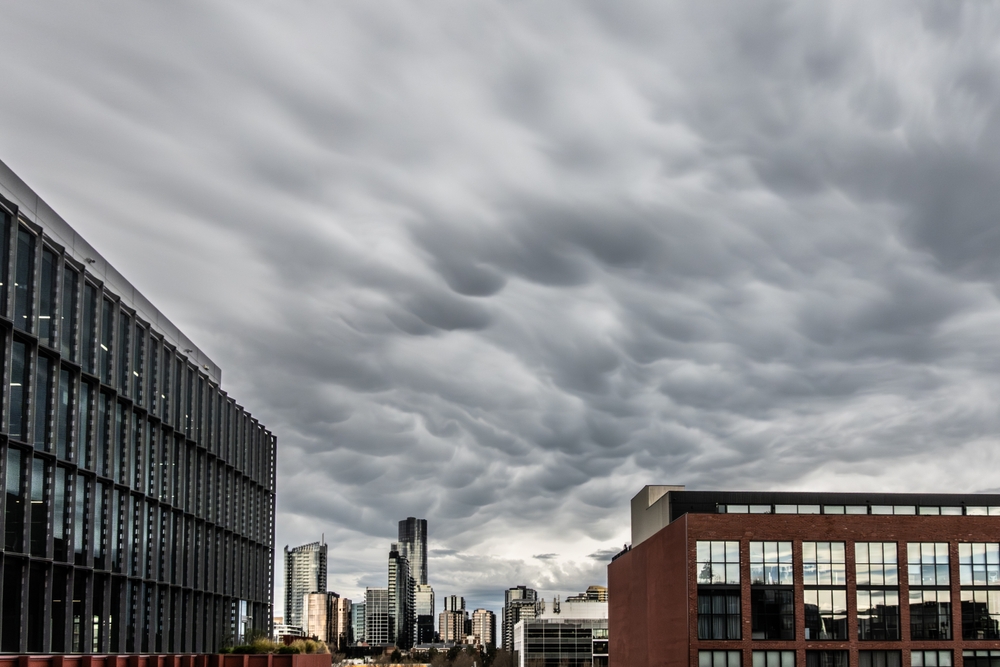
If you take a walk through the laneways around Cremorne, you will find it thriving with digital studios and start-ups.
Melbourne is also a global hub for video-game development, hosting about 170 game studios, including global game developers like Activision and Electronic Arts.
Data and Analytics
What is it?
The collection and organisation of large volumes of data and their transformation into actionable insights.
Data and analytics, along with its associated modelling, products and services is also a scaled technology that many organisations in Victoria have embraced.
Where is it found in Victoria?
There are many overlaps with Digital Technologies, so the Cremorne precinct is also home to data innovators like Laneway Analytics (financial services).
The broader Melbourne CBD has attracted development studios for global data businesses like Qualtrics, Dynatrace, Amperity.
Want to stay up to date and get articles like this and the latest Science Victoria digital magazine delivered straight to your inbox?
Subscribe for free now at subscribe.rsv.org.au
References
[1] “Technology Trends Outlook 2025”, McKinsey & Co, https://www.mckinsey.com/capabilities/mckinsey-digital/our-insights/the-top-trends-in-tech#/
[2] “Quantum Echoes algorithm is a bid step toward real-world applicationsfor quantum computing”, Google Quantum AI, 22 October 2025, https://blog.google/technology/research/quantum-echoes-willow-verifiable-quantum-advantage/
[3] Quantum Technology in Victoria, Invest Victoria, https://www.invest.vic.gov.au/explore-your-sector/digital-technology/quantum
[4] “Australia second top investment location globally for data centres”, Property Council Australia, 16 April 2025, https://www.propertycouncil.com.au/property-australia/australia-second-top-investment-location-globally-for-data-centres and Knight Frank press release 17 April 2025 https://www.knightfrank.com.au/blog/2025/04/17/global-data-centre-market-is-projected-to-reach-us4-trillion-by-2030
[5] Banner image from Shutterstock modified using Copilot.
Other articles of interest





Discover how you can join the society
Join The Royal Society of Victoria. From expert panels to unique events, we're your go-to for scientific engagement. Let's create something amazing.