Unwrapping the Future: solving agriculture’s plastic dilemma
Science Victoria Edition

Associate, RM Consulting Group (RMCG)
Modern agriculture depends on plastic to produce food efficiently. It helps make better use of water, energy and other natural resources.
Plastics are used extensively on farms. They line dams; protect fruit and vegetables from hail and birds; deliver water across vineyards and orchards; cover greenhouses; wrap fodder for livestock; and store grain after harvest.
But what happens to the inevitable residue? People rarely consider agriculture when they think about plastic waste.
Over the past six years I have worked with farmers, manufacturers, recyclers, researchers and governments across Australia to gain a better understanding of plastics in agriculture, and what happens when they reach the end of their useful life.
That experience has reinforced my view that the story of agricultural plastics has two chapters. The first is one of innovation and the increasing resilience that arises from the introduction of plastics into the production system. The second is about how we can manage these valuable materials sustainably, once they are no longer needed.
Plastic in modern farming
Modern agriculture would look very different without plastics. For decades plastics have helped Australian farmers produce more food using fewer resources.
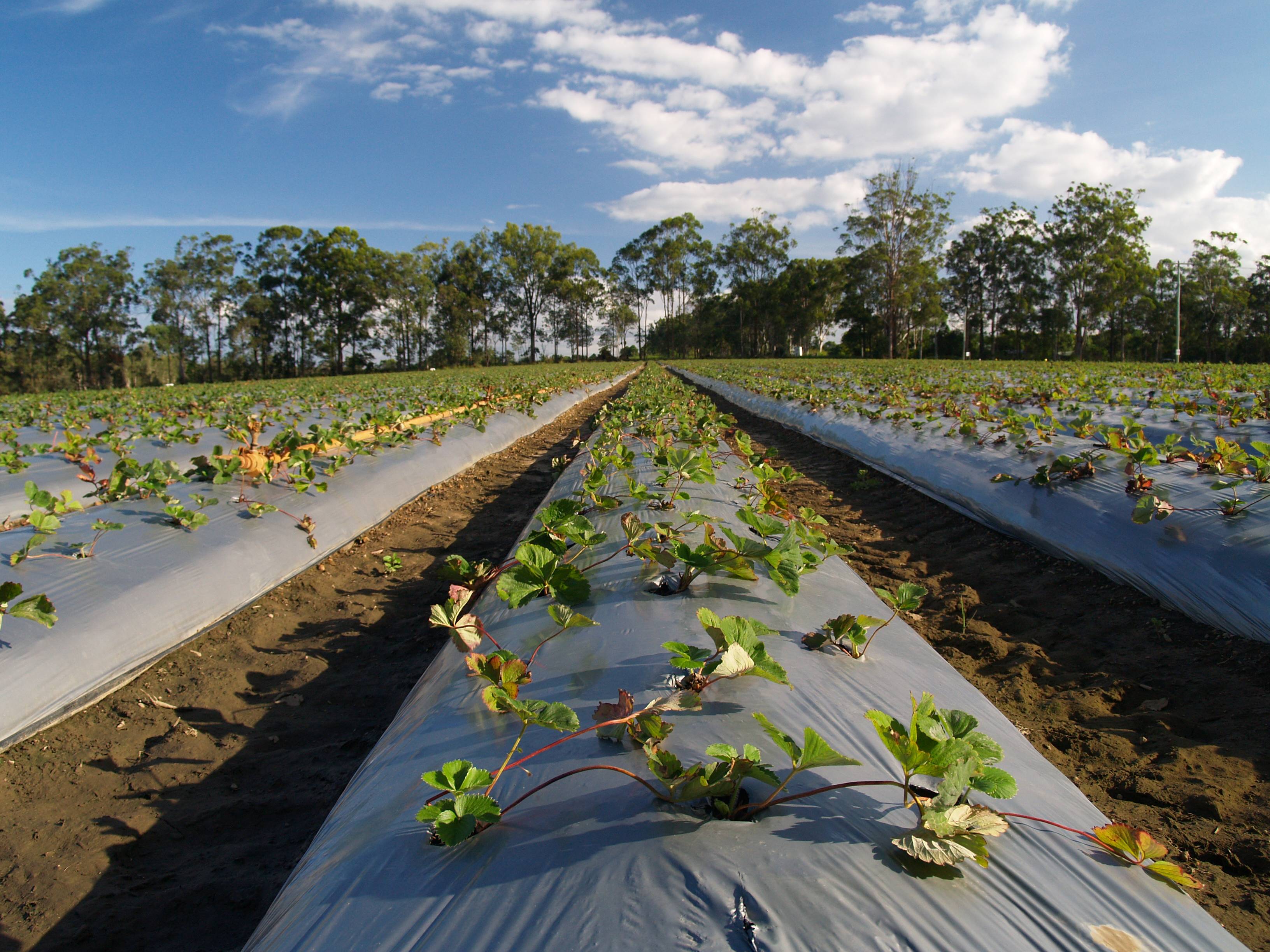
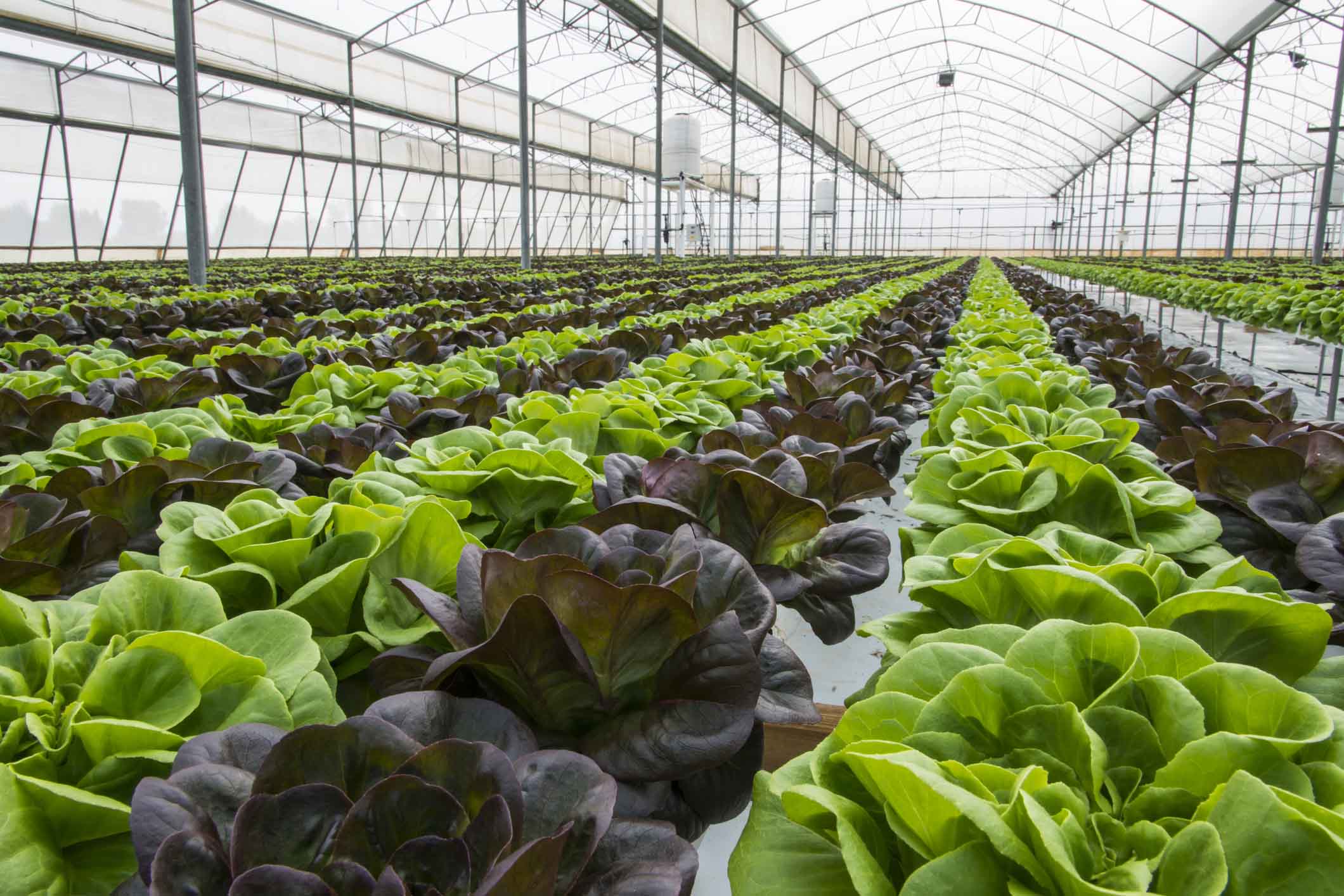
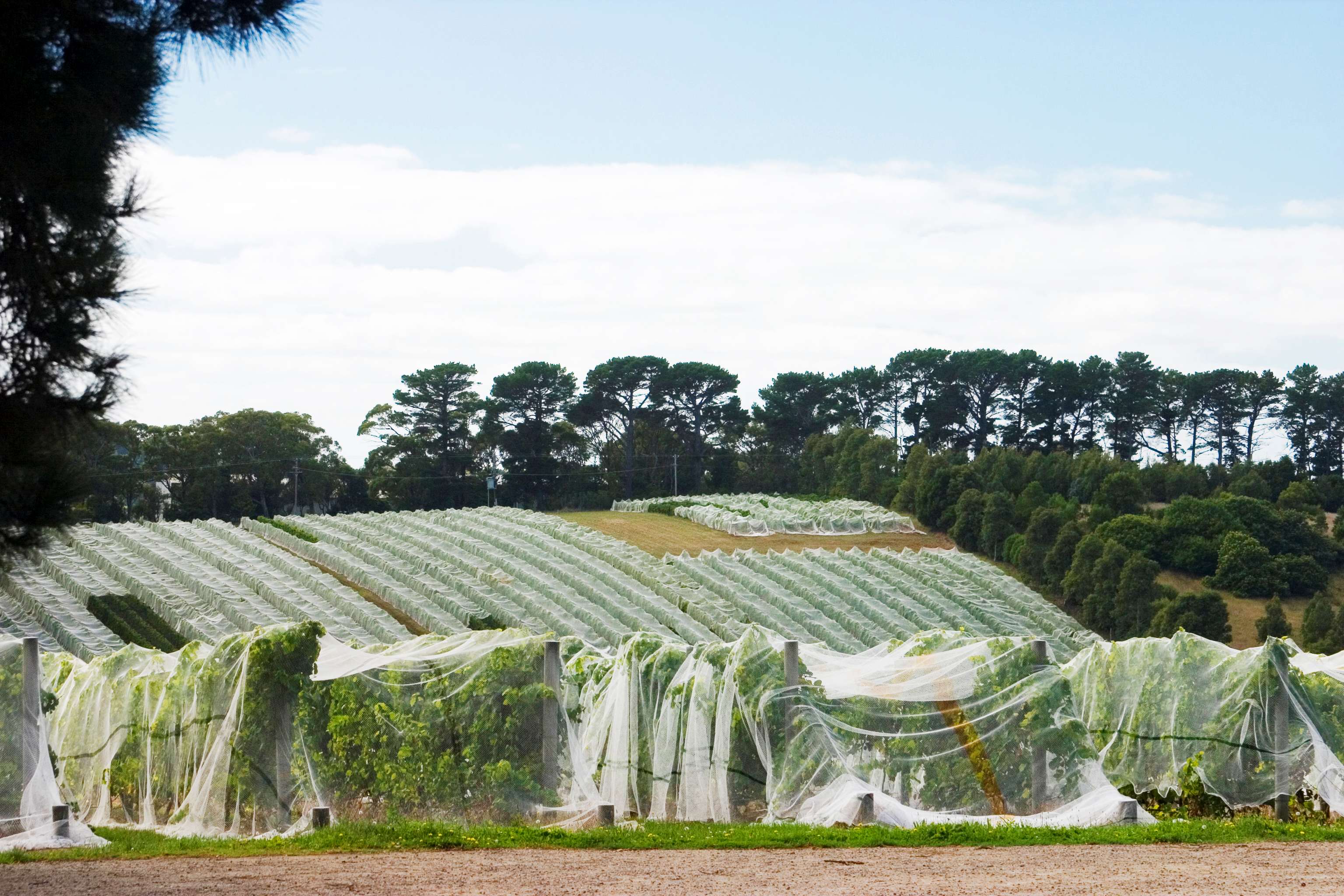
Drip irrigation has transformed the efficient use of water. Plastic mulch conserves moisture and suppresses weeds. Protective netting reduces losses from birds and hail. Greenhouse films create ideal growing environments. Silage wrap preserves fodder, and grain bags have changed the way many growers manage their harvest.
These innovations often have environmental as well as economic benefits. Better irrigation reduces water use. Crop protection increases productivity. Improved storage helps minimise food waste. Rain and hail netting reduces crop losses.
Managing plastics at end-of-life
But while plastics have lots of positive attributes, we are becoming increasingly aware of the problems they present on-farm during use and particularly at the end-of-life.
Managing plastics that are no longer useful has become a major challenge. Australia generates more than 100,000 tonnes of on-farm plastic waste each year, yet less than seven per cent is recycled.
Plastic waste is often spread across large properties, much of it exposed to the weather for years and contaminated with soil, plant material and chemical residues. It is typically located hundreds of kilometres from recycling facilities. So farmers often resort to stockpiling or burying plastics on their properties as there are few other easy and cost-effective solutions for management.
In fact, recycling agricultural plastics is often less about available technology and more about logistics. Collecting sufficient quantities of material, preparing it for recycling, and transporting it economically can be more difficult than the recycling process itself.
Looking for solutions
When RMCG began working with people in agriculture to support them in managing plastic waste, we quickly came to understand the barriers farmers face in recycling their plastics. The practical questions that need to be solved include:
- How do you collect plastics from thousands of farms spread across regional Australia?
- How do you transport large but lightweight materials economically?
- How clean does the plastic have to be for recycling?
- Who pays for collection?
- Who is responsible for disposal once a plastic product has been used?
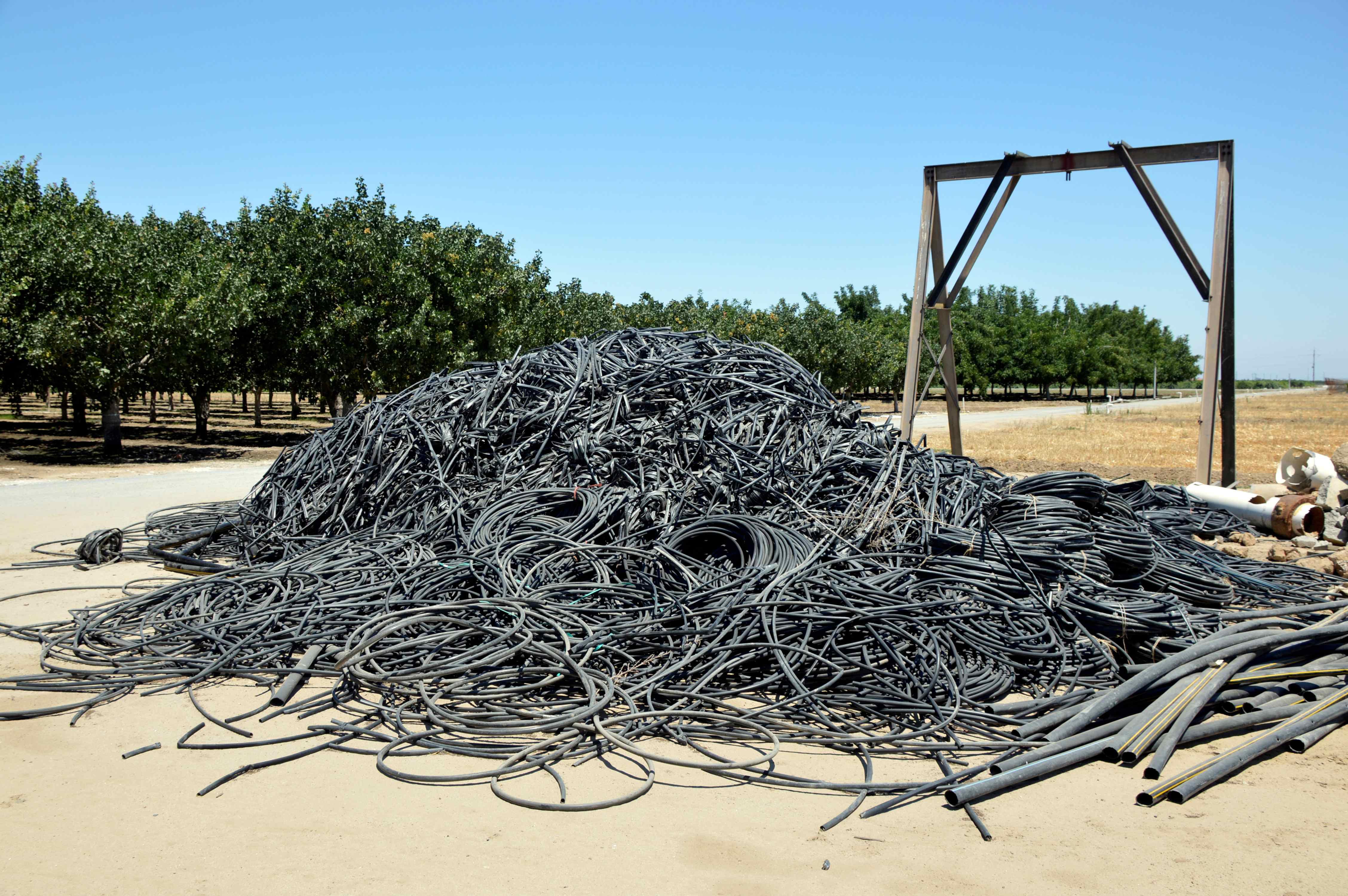
In connecting with farmers, we saw horticulture growers with piles of irrigation pipes looking for somewhere to send them; grain farmers after a bumper crop trying to prevent empty used grain bags from blowing around paddocks; and recyclers describing the need to dispose of the huge volumes of soil that contaminates the plastics they receive.
We quickly realised this was a whole-of-system problem that required collaboration between farmers, manufacturers, recyclers, government at all levels, technical specialists and policy makers. To work towards a more sustainable solution, everyone needed to understand where each group stood.
Extended producer responsibility
We initially completed work towards a National Agricultural Plastics Stewardship Scheme which would introduce Extended Producer Responsibility (EPR) for all agricultural plastics across Australia. EPR involves manufacturers being responsible for end-of-life management right at the start of production. The cost would ultimately be built into the product.
While this work established an important foundation, implementation has been slower than anticipated, with governments and industry initially favouring voluntary and regional approaches.
Regional and industry focus
Attention has since shifted to a focus on regional and commodity-based solutions.
Regional communities are keen to develop practical solutions. Across Australia, councils, farmers and industry are testing different approaches because no single solution is likely to suit every farming system.
In Victoria, the Circular Agricultural Plastics Economy project with Swan Hill Rural City Council introduced mobile baling equipment that can reduce transport costs by compacting plastics before they leave the farm.
Southern Downs Regional Council in Queensland is trialling equipment that rewinds irrigation drip tape tightly, making it easier to collect and transport and also less contaminated – ideal for recyclers.
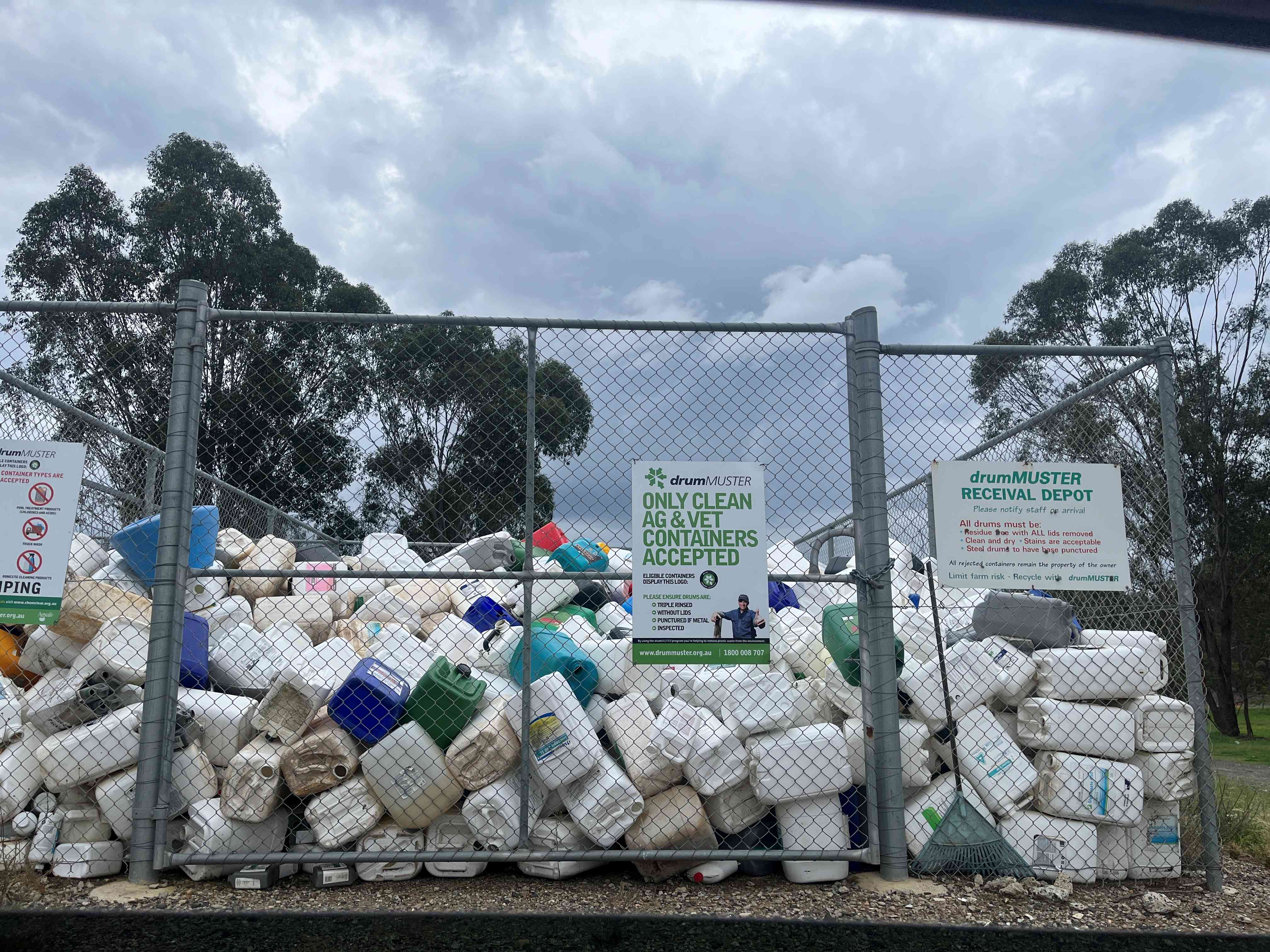
Programs such as drumMUSTER, Big Bag Recovery and manufacturer-led initiatives for irrigation products and grain storage systems are also demonstrating that collaboration across the supply chain can make a real difference.
Industries including berries, vegetables, red meat and cut flowers are focusing on how farmers need to prepare plastics to ensure they can be easily collected, transported and recycled.
These projects are doing more than collecting plastics. They are helping answer fundamental questions about how a circular economy can work in regional Australia.
From waste to resource
The biggest shift over recent years has been in how we think about plastics. The conversation is not simply about recycling – rather it is how we move up the waste hierarchy towards circularity.
That means thinking about plastics from the moment they are designed through to how they are used, collected and recovered at the end of their life. It also means considering products that can substitute for plastic – organic options such as cover crops to manage weeds and improve soil moisture rather than using plastic mulch.
Where there is no option to use less plastic, we need to design products that are easier to recycle, invest in regional collection infrastructure, support farmers to prepare materials for recycling, and create markets that value recycled products.
This also means recognising that responsibility is shared – manufacturers, growers, recyclers, governments and consumers all have a role to play.
The next chapter
More recently, the focus has shifted towards developing practical implementation measures – regional infrastructure and a national roadmap that brings together industry, researchers and government to accelerate the circularity of agricultural plastics.
We will continue to connect farmers, regional leaders and government to ensure these valuable materials become resources rather than waste. This requires better product design, improved recycling technologies, smarter logistics, regional infrastructure, stronger partnerships and informed policy.
When combined, these solutions have the potential to change the way Australia manages agricultural plastics fundamentally, improving resource efficiency while reducing environmental impact.
Perhaps the most important lesson we have learned from this journey has been that solving complex sustainability challenges requires more than new technology. It requires collaboration, shared responsibility and a willingness to bring together different perspectives to solve what are often "wicked" problems.
Get the latest Science Victoria magazine when it arrives and news about science and technology in Australia.
subscribe.rsv.org.au
References
[1] Australian Farm Waste Portal, AgriFutures and RMCG (2023): https://farmwaste.com.au/
[2] Pre-Farm Gate Waste Data Dashboard, AgriFutures and RMCG (2025): https://farmwaste.com.au/dashboard/
[3] The Future of Agricultural Plastics, PSpectives, Product Stewardship Centre of Excellence, A-M Boland (2025): https://stewardshipexcellence.com.au/pspective/dr-anne-maree-bolland/
[4] Agriculture, Fisheries and Forestry National Waste and Resource Recovery Roadmap, AgriFutures and RMCG (2022): https://farmwaste.com.au/resource/agriculture-fisheries-and-forestry-national-waste-and-resource-recovery-roadmap/?portfolioCats=13
[5] Circular Agricultural Plastics Economy (CAPE) project, Swan Hill Rural City Council, VIC (2024): https://letstalk.swanhill.vic.gov.au/circular-agricultural-plastics-economy-cape-project
[6] Irrigation Drip Tape Recycling Pilot, Southern Downs Shire Council, QLD (2025): https://www.sdrc.qld.gov.au/living-here/environment-water-waste/waste-recycling/irrigation-drip-tape-recycling-pilot
[7] National Agricultural Plastics Stewardship Scheme – Update, RMCG and Growcom (2023): https://www.rmcg.com.au/case_study/a-plan-for-plastic-waste-in-agriculture/
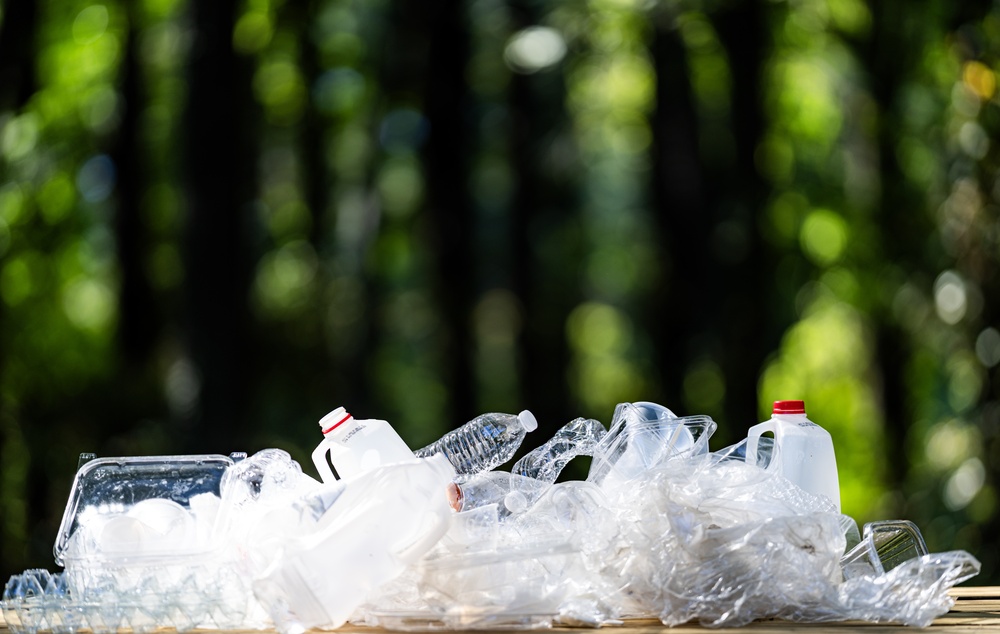
[8] Banner image from iStock.
Other articles of interest






Discover how you can join the society
Join The Royal Society of Victoria. From expert panels to unique events, we're your go-to for scientific engagement. Let's create something amazing.